

My curiosity concerning the construction of one of the most striking citadels of the Inca empires was piqued by my thoughts about Machu Picchu architecture today. This location is a great illustration of how ancient engineers and architects were able to produce buildings that continue to astound us now. I then pondered how was Machu Picchu built a question that invites us to explore the ingenuity behind every carved stone and terraced slope. Despite lacking contemporary equipment, the Incas proved that they are not required for the construction of cities, which is why Machu Picchu’s design is a marvel.
However, you may be curious in how I was motivated to do this study. I made the decision to research the materials, methods, and buildings that comprise the citadel because of Machu Picchu’s architecture and its methods. I therefore want to give you an overview of Machu Picchu’s amazing architecture today, as well as how the Inca culture constructed the imperial metropolis. Discover the secrets of this amazing Inca architecture by reading on!
Understanding Machu Picchu’s mystery and purpose
Despite all we know about Machu Picchu’s construction, one question continues to fascinate historians, travelers, and dreamers alike: why was it built in the first place? Beyond its impressive engineering and breathtaking scenery, Machu Picchu holds a deep spiritual and cultural significance that still sparks debate. Was it a royal retreat? A sacred sanctuary? A ceremonial observatory? Understanding the mystery and purpose behind this ancient site is not just about facts it’s about interpreting the soul of a civilization that saw no separation between nature, spirit, and architecture.
Who built Machu Picchu and why?
Machu Picchu was built by the Inca civilization during the reign of Pachacútec in the 15th century. Historians believe it served as a royal estate, a ceremonial site, or even a retreat for Inca elites. While its exact purpose remains debated, its spiritual and political significance is undeniable. Some researchers suggest it was a sacred city, meant to honor the Inca worldview and their connection with nature and the cosmos.
When was Machu Picchu constructed?
Construction began around 1450 AD and continued for several decades. The site was abandoned just a century later, likely due to the Spanish conquest. Despite centuries of exposure to the elements, much of it remains remarkably intact. Carbon dating and historical records suggest that its development was rapid, showcasing the Incas’ ability to organize massive labor forces and plan long-term infrastructure projects.
Is Machu Picchu worth it from an archaeological perspective?
Absolutely. Machu Picchu offers a rare, well-preserved glimpse into the sophisticated engineering of a pre-Columbian society. For archaeologists, it is a treasure trove of insight into Inca society, architecture, and urban planning. Each structure, from temples to storage rooms, offers clues about Inca social structure, religious beliefs, and daily life.
You might be interested: 21 Facts about inca culture

Core elements of Machu Picchu architecture
Before diving into the specific elements of Machu Picchu’s construction, it’s important to understand that this citadel was more than just a group of buildings it was a living city carefully designed with spiritual symbolism, practical functionality, and a deep connection to nature. Each wall, terrace, and pathway was deliberately placed to harmonize with the mountain’s topography and the cosmic order that guided the Inca worldview. From its orientation to the stars to the alignment of sacred structures with surrounding peaks, Machu Picchu is an architectural poem carved into stone.
Strategic location and layout of the city
Built atop a mountain ridge at 2,430 meters above sea level, Machu Picchu’s location was carefully selected for its defensive advantage and spiritual symbolism. The city follows a harmonious layout aligned with the surrounding landscape. The site is strategically nestled between the Andean mountains and overlooks the Urubamba River, believed to enhance its sacred energy. Today, exploring it with the guidance of a reliable travel agency Peru ensures you don’t miss the deeper meanings hidden in its design.
Stonework precision: No mortar, no problem
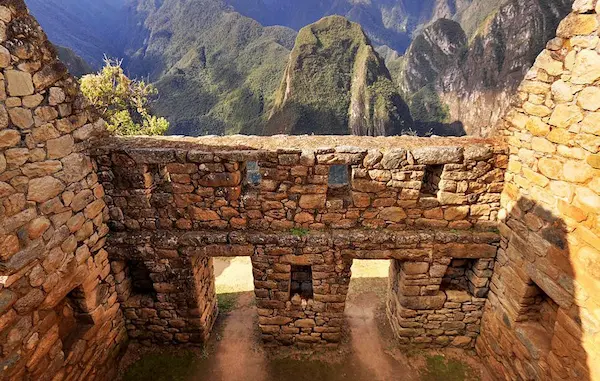
The Incas used a technique called ashlar masonry, in which stones are precisely cut to fit together without mortar. This not only ensured durability but also allowed the structures to withstand frequent seismic activity. Some joints are so tight that not even a blade of grass can fit between the stones—a testament to the Incas’ unparalleled craftsmanship.
Terraces, water systems, and sustainability
Terraces carved into the mountainside prevented erosion and created agricultural space. A sophisticated aqueduct system provided fresh water throughout the site, showcasing the Inca mastery of sustainable engineering. These innovations demonstrate how the Incas adapted to their challenging environment, integrating agriculture, hydrology, and construction in a seamless system.
Religious, residential, and agricultural zones
Machu Picchu was divided into distinct sectors. The religious sector includes the Temple of the Sun; the residential area housed nobility and workers; the agricultural section provided food for its inhabitants. Each zone was functionally and symbolically significant, reflecting the Inca worldview where every element of society had a clear, interdependent role.
You might be interested: Peruvian Pisco, all about this drink

Techniques and materials used in Machu Picchu’s construction
Behind the awe-inspiring beauty of Machu Picchu lies a complex network of construction techniques and carefully selected materials that reflect the ingenuity of Inca civilization. Far from being a random assembly of stones, the city was meticulously planned and executed using methods that combined practicality, resilience, and spiritual significance. Each element was part of a broader architectural philosophy rooted in harmony with nature, astronomical awareness, and long-term durability.
Ashlar and cyclopean masonry
In addition to ashlar masonry, the Incas also used cyclopean masonry in parts of Machu Picchu large, irregular stones fitted together without mortar. This technique enhanced structural flexibility and visual harmony with the natural landscape.
Building materials: Andesite and natural resources
The primary building material at Machu Picchu is andesite, a dense volcanic stone quarried from nearby mountains. The Incas selected it for its strength and resistance to seismic activity. Wooden beams and thatched ichu grass were used for roofs, while mud and straw served as plaster or mortar in less formal structures.
Drainage systems and environmental adaptation
Given Machu Picchu’s high-altitude location, managing rainfall was essential. The Incas built sophisticated drainage channels and canals to prevent erosion and flooding. These systems were seamlessly integrated into the architecture, illustrating their advanced knowledge of environmental engineering.

Engineering without wheels or iron: how was Machu Picchu built?
The construction of Machu Picchu was a monumental feat of engineering and Inca architecture, requiring innovative techniques that were well ahead of their time. The Incas employed a wide range of construction methods some still admired by modern architects to create a city that could endure the test of time. They adapted their engineering to the high-altitude environment and used only local materials, including stone, wood, and native grasses.
One of the most remarkable aspects of Machu Picchu’s architecture is the extraordinary precision with which the stones were cut and assembled. The Incas used a method known as ashlar masonry, shaping each individual stone to fit tightly with its neighbors without the use of mortar. These joints were so perfectly aligned that even today, not even a knife blade can pass between them.
In addition to ashlar, the Incas also applied cyclopean masonry in some structures, fitting large, irregularly shaped stones together. Terracing was used to transform steep slopes into stable platforms for farming and building, while also preventing landslides. Another essential feature was the use of advanced drainage systems. These included hidden canals and water-diverting channels that protected the city from heavy rainfall and flooding.
These innovations were not only practical but deeply rooted in a worldview that sought harmony between human construction and natural forces. The result is a city that seems to grow from the mountain itself—timeless, resilient, and breathtakingly intelligent.
The tools used by the Incas
Despite lacking iron tools or wheels, the Incas used bronze and stone implements to carve and shape granite. They utilized friction, wooden wedges, and water to split stones with remarkable accuracy. The efficiency of these simple tools highlights their deep understanding of materials and techniques.
Transportation and placement of massive stones
Stones weighing several tons were transported using manpower, wooden rollers, and inclined planes. Ropes, levers, and ramps helped position them precisely, often without leaving tool marks. Oral traditions suggest coordinated efforts involving hundreds of workers, often accompanied by rituals and chants that infused the task with spiritual purpose.
Earthquake-resistant techniques
Machu Picchu lies in a seismic zone, yet its structures have endured centuries of earthquakes. The trapezoidal shapes of doors and windows, coupled with inward-leaning walls, help absorb and dissipate shock waves. This deliberate design illustrates a profound awareness of geological risks and adaptive construction.
The role of astronomy and sacred geography
The layout of Machu Picchu reflects Inca cosmology. Structures like the Intihuatana stone align with astronomical events such as solstices, revealing the Incas’ profound understanding of the cosmos. The city’s position in relation to nearby sacred mountains (apus) further reflects the Inca belief in a deeply interconnected universe.

Types of Inca architecture at Machu Picchu
The architectural diversity found at Machu Picchu reveals the complexity and ingenuity of the Inca civilization. Far from being a uniform stone city, Machu Picchu displays a wide range of architectural styles and functions from religious temples and royal residences to agricultural terraces and urban dwellings. Each type of structure served a specific purpose, reflecting the Incas’ deep connection with their environment and their advanced understanding of design, engineering, and symbolism. By exploring the various types of Inca architecture within this sacred site, we gain insight into how the Incas built not only for survival, but for meaning and legacy.
Religious architecture
Temples like the Temple of the Sun and the Sacred Plaza reveal the Incas’ deep spiritual connection with nature. These structures were oriented to celestial events and used for rituals dedicated to gods like Inti, the sun god.
Residential and urban architecture
Homes for commoners and nobility were built with stone walls and thatched roofs. Elite residences were constructed with more refined masonry and strategically positioned to command views of the valley and mountains.
Agricultural and hydraulic architecture
Terraces and canals were essential to ensure food security and efficient water distribution. These features demonstrate a balance between practical needs and environmental sustainability.
Administrative and astronomical buildings
The Sacred Plaza, Royal Residence, and Intihuatana stone illustrate Machu Picchu’s political and cosmological importance. These structures formed the ceremonial and leadership core of the city.
You might be interested: Peru Independence Day: All about the great national holiday

Best Machu Picchu architecture
Walking through Machu Picchu is not just a hike through ancient ruins it’s a deeply spiritual experience, a dialogue between stone and sky. Perched high in the Andes, this city wasn’t built simply to impress. It was built to live in harmony with nature, to last through time, and to align with the divine. Every pathway, every slope, every shadow cast by the sun tells a story of balance, purpose, and reverence. For those seeking to explore this legacy in depth, many Cusco tours offer immersive journeys into the heart of the Inca world.
The Temple of the Sun
One of the most revered spots in Machu Picchu, the Temple of the Sun was dedicated to Inti, the Sun God. Its windows are perfectly aligned with the solstices a precision that demonstrates the Incas’ astronomical sophistication. During the June solstice, sunlight passes through a window and strikes a sacred ceremonial stone inside, transforming the structure into a cosmic observatory. The temple’s finely polished, curved wall built entirely with dry-fit stone—embodies the marriage of science, faith, and artistry.
The Intihuatana stone
This sacred stone, often called the “hitching post of the sun,” served as a solar calendar and ritual centerpiece. Believed to hold spiritual energy, the Intihuatana was likely used to track solar movements and seasonal changes. Its placement and shape suggest a deliberate effort to connect heaven and earth an Inca principle woven throughout Machu Picchu’s design.
Agricultural terraces
The iconic terraces at Machu Picchu weren’t just for show. Ingeniously engineered, they controlled erosion, retained moisture, and expanded arable land in steep mountain terrain. Each level was constructed with layers of stone, sand, and soil, ensuring efficient drainage and crop productivity. These terraces reflect the Incas’ mastery of agricultural sustainability and their deep respect for the land.
The urban sector
This residential area reveals the everyday genius of Inca builders. Homes and storage buildings were constructed using ashlar masonry, featuring trapezoidal doorways and inclined walls innovations that have helped them withstand centuries of earthquakes. Even the streets and stairways follow the mountain’s natural contours, showing that Machu Picchu was designed with humility and ingenuity.
The Sacred Plaza
Located at the heart of the citadel, the Sacred Plaza was a spiritual and social hub. Flanked by major temples, it served as the stage for ceremonies, rituals, and communal gatherings. Its layout evokes both grandeur and intimacy, inviting visitors to imagine the chants, offerings, and shared experiences of those who once gathered here.
The Royal Residence
With panoramic views of the Andes, the Royal Residence was likely home to the emperor or high-ranking nobility. The craftsmanship here is particularly refined, with smoother stones and carefully planned interiors. This residence reflects the Inca belief that power and beauty must coexist in harmony with the surrounding world.
Why Machu Picchu still amazes modern architects
Centuries after its creation, Machu Picchu continues to astonish not only travelers but also architects, engineers, and scholars around the world. With no use of iron tools, wheels, or written blueprints, the Incas managed to design and build a city that merges perfectly with the mountain’s topography, resists powerful earthquakes, and channels water with precision. Modern architects see in Machu Picchu not just ancient ruins, but a masterclass in sustainable design, spatial harmony, and resilience. The site challenges our assumptions about what is possible without modern technology, reminding us that intuition, observation, and respect for nature can lead to enduring brilliance.
Comparing Inca engineering to modern techniques
Modern engineers continue to study how Machu Picchu was built without modern machinery. Its stability, water management systems, and aesthetic integration with nature serve as a model for sustainable architecture. Unlike many contemporary projects, the Inca approach prioritized balance with the environment, making their techniques timelessly relevant.
Preservation of the site through centuries
Machu Picchu has withstood landslides, earthquakes, and time. Its careful design and the quality of its stonework have made it a durable wonder that attracts millions annually. Even without restoration, many of its original structures remain intact, offering insight into construction practices that prioritized longevity over speed.
Lessons we can learn from Machu Picchu’s builders
From resilience in architecture to ecological harmony, Machu Picchu teaches modern societies the value of working with, rather than against, the environment. It also emphasizes the power of community organization and shared vision in achieving large-scale, enduring accomplishments.
Visiting Machu Picchu today: Is it worth it?
Absolutely visiting Machu Picchu today is not only worth it, it’s a once-in-a-lifetime experience that stays with you forever. As you walk through the ancient citadel, you’re retracing the steps of Inca nobles, priests, and builders. The air is crisp, the mountains tower around you, and the intricate stonework still feels alive with history. Whether you’re gazing at the sunrise from the Sun Gate or standing in awe at the Temple of the Sun, every corner of Machu Picchu tells a story. It’s not just about the ruins it’s the energy, the landscape, and the spiritual connection that make it unforgettable.
If you’re looking for the perfect way to explore this wonder, many travelers choose a 5 days in Cusco itinerary. These tours offer a complete journey through the Sacred Valley, colorful markets, and Inca sites before arriving at Machu Picchu. It’s the ideal way to understand the historical context and appreciate the grandeur of the citadel. With each day building up to the big moment, your visit becomes more than a destination it becomes a deeply immersive adventure into the heart of the Andes.
You might be interested: The mita system: From Inca duty to colonial exploitation
Frequently asked questions about Machu Picchu architecture
Here you will find frequently asked questions about Machu Picchu architecture and the mysteries of its construction, read on to put an end to your doubts.
Why was Machu Picchu built?
Most scholars agree that Machu Picchu was constructed as a royal estate for the Inca emperor Pachacuti during the 15th century. However, it was far more than a luxurious retreat. Its remote location in the cloud forest served as a strategic and spiritual sanctuary. Machu Picchu was designed for religious ceremonies, celestial observation, and gatherings of the Inca elite. The layout and placement of the site reflect the Inca worldview, where political power, sacred geography, and cosmic alignment were inseparable.
What did Machu Picchu look like when it was built?
Imagining Machu Picchu in its prime is like stepping into a perfectly orchestrated blend of nature and design. The stone walls were pristine, the terraces lush with crops, and the thatched roofs of temples and homes still intact. Fountains and canals flowed with fresh water, and every structure had a defined role—religious, agricultural, or residential. The city thrived with activity, surrounded by sacred mountains and wrapped in the morning mist of the Andes. It was a vibrant, living city that blended seamlessly with its environment.
How does the Inca Machu Picchu architecture work?
Inca architecture at Machu Picchu is a fusion of precise engineering and spiritual intention. Trapezoidal doorways, inclined walls, and ashlar masonry define its resilient beauty. The Incas aligned structures with astronomical events, ensuring temples caught the first light of the solstice. Staircases and paths were not just functional they were symbolic, guiding pilgrims through a sacred journey. Every design choice had meaning, from the angles of the terraces to the positioning of the buildings against the mountains.
Why they used stones for Machu Picchu architecture?
The choice of stone for building Machu Picchu wasn’t only practical it was philosophical. The Incas used local granite, carved and polished without mortar, creating interlocking blocks that could withstand earthquakes. These stones mirrored the contours of the landscape, following the natural flow of the mountains. The technique of fitting stones so tightly that not even a knife blade could pass between them shows the builders’ dedication to harmony, permanence, and deep respect for nature.
Who built Machu Picchu in Peru?
Machu Picchu was built by the Inca people, commissioned under the leadership of Pachacuti around 1450. Thousands of workers, including architects, stonemasons, and farmers, came together to shape this masterpiece. Using simple tools and an extraordinary understanding of the land, they constructed terraces, temples, and homes by hand. These were not ordinary laborers—they were artists and engineers, inspired by a spiritual connection to the earth and sky. Their legacy still stands strong today.
How Machu Picchu was built?
The construction of Machu Picchu was a marvel of ancient engineering. Without wheels or iron tools, the Incas used stone hammers, bronze chisels, and wooden levers to shape and move massive stones. They employed ramp systems and human strength to transport materials up the steep terrain. More than that, they designed advanced drainage and irrigation systems to prevent erosion and flooding. Every detail was tailored to endure time, earthquakes, and the forces of nature.
Machu Picchu’s legacy as a symbol of human ingenuity
How was machu picchu built reflects a worldview in addition to being a technical marvel. The Incas constructed it to blend in with the country, not to rule it. Each terrace, wall, and carved stone narrates a tale of perseverance, determination, and deep reverence for the natural world. Its ancient past can only be understood by being there. You feel their beliefs in addition to seeing what they accomplished. We advise you to visit Machu Picchu’s architecture in order to get a firsthand feel of the culture and the quiet words of their ancestors.
