
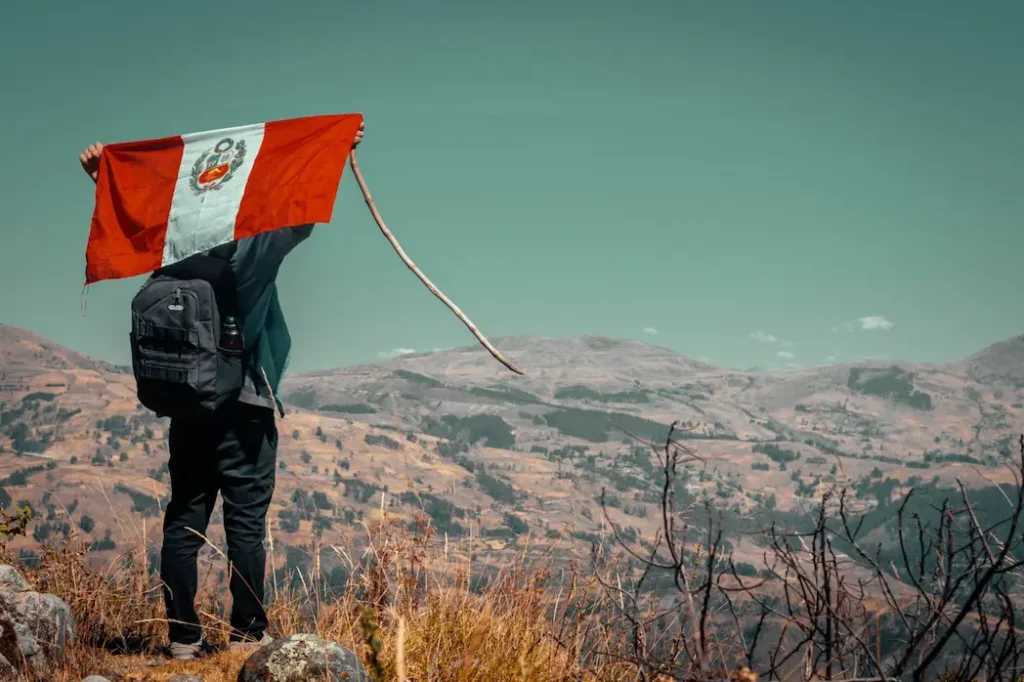
Peru Independence Day is almost approaching! The streets of the nation will be alive with color, music, dances, and the Peruvian pride that permeates every area on July 28th. Everything is changed into a magnificent celebration of Peruvian culture, from the balconies decked up with flags to the food markets including tamales, chicha morada, and anticuchos. Independence Day is more than just a historical event; it’s a great opportunity to honor those who helped create Peru’s independence, re-establish ties to our heritage, and spend time with our loved ones.
A school procession, a dawn serenade, or even a balloon trip to see the fireworks from above are just a few of the unique experiences that await you whether you’re in Lima, Cusco, or anywhere else in the world. We will explain in this blog how this national holiday is observed in various places and what you should not miss if you are traveling there. Prepare to take part in the national holiday!
What is Peru Independence Day?
Peru Independence Day is one of the most vibrant and anticipated national holidays, celebrated annually on July 28th. This day marks the historic moment in 1821 when General José de San Martín proclaimed Peru’s independence from Spanish colonial rule in Lima’s Plaza Mayor. The celebrations not only honor this momentous event but also embrace the rich cultural heritage, deep pride, and collective spirit of the Peruvian people.
This national day is not just a commemoration, but also an opportunity to come together as a nation, to reflect on the significance of the country’s hard-won freedom, and to celebrate the colorful diversity that defines Peru’s unique identity.
How is Peru Independence Day celebrated?
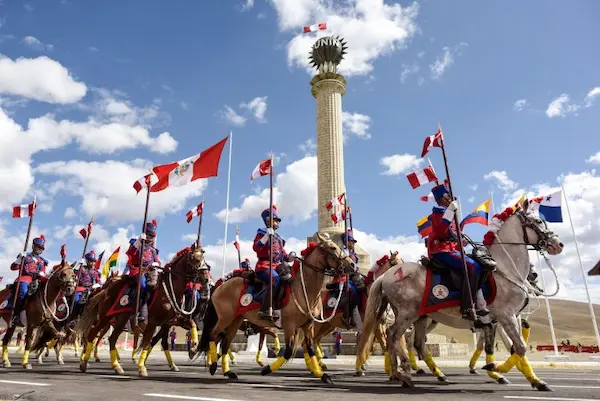
The entire country comes together on July 28th and 29th to celebrate Peru Independence Day with a grand mix of parades, music, dance, and cultural festivities. The celebrations are deeply rooted in tradition and national pride, with each region offering a unique way to commemorate the day. Whether it’s the official ceremonies in Lima or local celebrations in smaller towns, the sense of unity and patriotism is palpable across the nation.
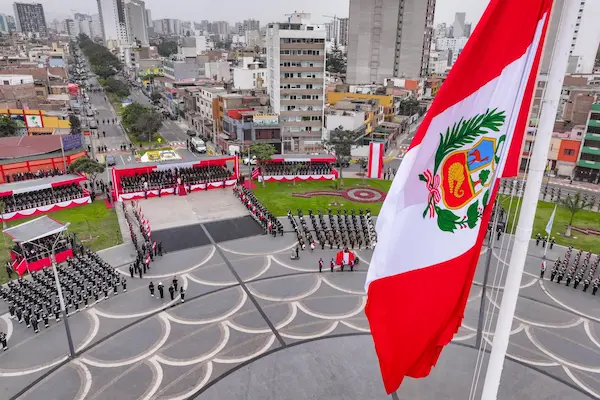
In Lima, the celebrations begin with the traditional President’s Message to the Nation, broadcasted across the country, where the president reflects on the nation’s achievements and vision for the future. This moment is followed by a military parade, showcasing Peru’s armed forces and the country’s patriotic spirit. The evening is filled with serenades, where neighborhoods come together to sing traditional Peruvian songs under the stars.
Beyond the capital, the regions each add their own flavor to the celebrations. In the highlands, folk music and traditional dances such as marinera and huayno are performed in the streets, while in the coastal cities, food fairs take over parks and plazas, offering delicious anticuchos, ceviche, and the famous pisco sour. Whether in the rural communities of the Andes or the vibrant streets of the coast, July 28th is a moment for Peruvians to come together, honor their heritage, and revel in the rich culture of the country.
Festive atmosphere and national pride
As the 28th of July approaches, the entire country transforms into a colorful spectacle. Streets are lined with red-and-white flags, and the air is filled with the sounds of traditional music, parades, and community celebrations. In Lima, the festivities kick off with a formal ceremony where the President delivers the national speech, followed by mass and the Te Deum in the Cathedral of Lima. Cities like Cusco, Arequipa, and Trujillo also offer a mix of cultural events, school parades, and local food fairs, with a special focus on national pride.
Popular food and drinks
A significant part of the celebration is the cuisine. From ceviche and anticuchos to tamales and picarones, Peruvian food takes center stage. The festivities are the perfect excuse to indulge in Peru’s gastronomic delights, shared with family and friends. Whether it’s at a street fair or a family gathering, food becomes a symbol of national pride.
Typical dishes like ceviche (fresh fish marinated with lime juice and chili), anticuchos (grilled beef hearts with aji sauce), and picarones (sweet potato doughnuts), make this celebration both flavorful and festive. Local drinks such as pisco sour and chicha morada (purple corn drink) enhance the festive mood and help elevate the country’s rich culinary traditions.
Regional celebrations
In addition to the central celebrations in Lima, Peru Independence Day is celebrated with unique traditions in each region. In the highlands, towns like Ayacucho and Cusco honor their roots with folkloric dances and Andean rituals. Meanwhile, in the Amazon, cities like Iquitos come alive with river processions and Amazonian music, reflecting the rich diversity of Peru’s landscapes and cultures. This geographical diversity brings a unique flavor to the celebrations across the country.
You may be interested in reading: The mita system: From Inca duty to colonial exploitation
History of Peru Independence Day
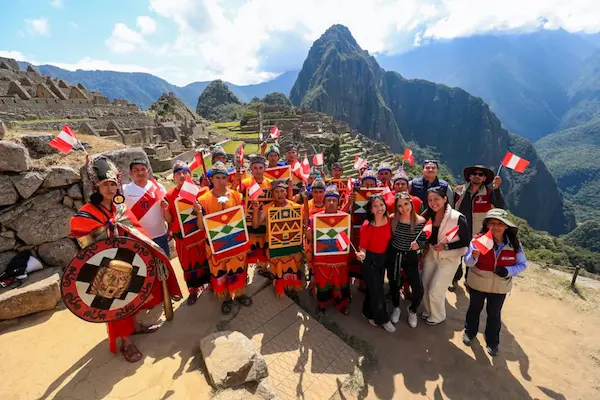
Peru Independence Day, celebrated on July 28th, marks the momentous proclamation of independence by General José de San Martín in 1821. After years of struggle and revolution throughout South America, San Martín arrived in Peru with the goal of liberating it from Spanish rule. On this day, standing in the Plaza Mayor in Lima, he declared Peru free from Spanish domination, symbolizing the end of over 300 years of colonial control.
However, true independence wasn’t fully realized until 1824, when the last Spanish strongholds were defeated after the Battle of Ayacucho. It was here that Simón Bolívar’s forces ended Spanish rule, securing the sovereignty of Peru and marking a new chapter in its history. Peru’s Independence Day is a celebration of this hard-fought freedom, honoring the sacrifices made by those who fought for the nation’s liberty.
How Peruvians abroad celebrate Independence Day
Even though they are miles away from home, Peruvians living abroad continue to celebrate their independence with the same passion and fervor as if they were in their homeland. Across the world, Peruvian communities come together to mark this important date with parades, cultural events, traditional music, and, of course, delicious Peruvian food. The sense of pride and belonging shines brightly, proving that no matter where they are, Peruvians hold their independence close to their hearts. Whether through large community gatherings or smaller family celebrations, the essence of Peru’s national pride transcends borders.
Celebrations worldwide
Even far from home, Peruvians continue to celebrate their independence with pride. In cities like Madrid, Buenos Aires, New York, and Milan, Peruvian communities organize parades, festivals, and cultural events. These gatherings are a beautiful way to connect with their homeland, with traditional dances, food, and music filling the air.
Consulates and cultural associations often host events that bring Peruvians together to celebrate their roots, offering a piece of Peru to those living abroad. Many also support tourism agencies in showcasing the richness of Peruvian traditions, creating connections between locals and visitors.
Top 10 places to visit for Independence Day in Peru
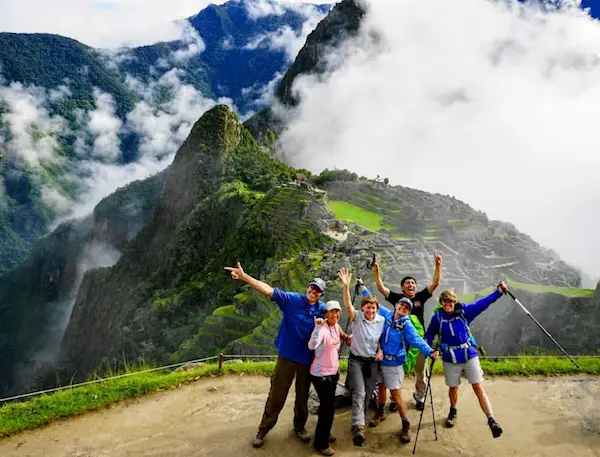
Thinking of traveling during Independence Day in Peru? Well, you are about to make the best decision. Because July 28th and 29th, besides being holidays, are the perfect excuse to pack your bags, escape from routine and reconnect with the best of Peru. In this section, we show you the 10 best places to visit for Fiestas Patrias, whether you are looking for adventure, culture, or just a good reason to toast with pisco. Let’s discover them!
1. Lima
Lima becomes the epicenter of Peru’s Independence Day celebrations. The day begins with the Changing of the Guard at the Government Palace, a symbol of the country’s military and civic unity. Visitors can explore the Lima Cathedral and Convent of San Francisco or indulge in a Creole lunch with iconic dishes such as anticuchos, papa a la huancaína, and chicha morada. Don’t miss the food fairs like “Perú Mucho Gusto” or folklore performances at the Parque de la Exposición. At night, the Magic Water Circuit hosts special light shows and projections about Peru’s history and independence.
2. Cusco
Cusco, with its blend of Inca and colonial history, is an ideal place to experience Fiestas Patrias with cultural depth. The school parades in Plaza de Armas are a colorful spectacle, and traditional dances fill the streets. Visit historical landmarks like Sacsayhuamán, the Qoricancha temple, and San Pedro Market. Take advantage of the holiday to venture into the Sacred Valley or book a trip along the Classic Inca Trail, which is in high demand during this period.
3. Arequipa
Arequipa offers a unique celebration during Fiestas Patrias. The Plaza de Armas is filled with free concerts, military bands, and parades. You can visit the Santa Catalina Monastery, Yanahuara Lookout, and enjoy local dishes like rocoto relleno (stuffed rocoto) or shrimp soup in an authentic picantería (spicy restaurant). If you’re up for an adventure, visit the Colca Canyon and watch the majestic condors in flight.
4. Trujillo
Trujillo’s celebrations are filled with marinera dance contests, Paso horses, and cultural fairs at the Plaza Mayor. Visit the Chan Chan ruins, Huanchaco Beach, and the El Brujo Complex. Restaurants offer patriotic menus with ceviche, cabrito (goat meat), and shambar (a regional stew). In the evening, enjoy fireworks and live music performances.
5. Iquitos
Iquitos offers an unforgettable experience in the Amazon Rainforest. During Fiestas Patrias, there are cultural festivals, food fairs featuring juanes, tacacho with cecina, and chonta (palm heart), and traditional dances. Walk along the Tarapacá boardwalk, visit the Belén market, or take a boat ride along the Amazon River. You can also visit nearby ecological reserves like Pacaya Samiria for special holiday programs.
6. Puno
In Puno, Fiestas Patrias are filled with sikuri music, traditional costumes, and colorful celebrations. Attend the school parades and cultural performances at the Plaza de Armas. Visit the floating islands of the Uros, Taquile, or Amantaní islands. During this season, craft fairs and local cuisine are abundant, making it the perfect time to explore the highlands while enjoying the festivities. Don’t miss the beautiful sunset over Lake Titicaca, a truly magical experience.
7. Ayacucho
Ayacucho is deeply tied to Peru’s struggle for independence. Here, the celebrations include military parades, masses, and cultural fairs. Visit the Pampa de la Quinua, where the battle for independence was fought, and explore the colonial temples and local handicrafts. This city offers a deeper connection to Peru’s history and a chance to taste traditional dishes such as mondongo (beef stew) and puca picante (spicy pork).
8. Tumbes
Known for its beautiful beaches, warm tropical climate, and rich cultural heritage, Tumbes is the perfect place for those seeking a mix of festive celebrations and natural beauty. Tumbes is also home to Punta Sal, one of Peru’s most famous beach destinations, where you can enjoy its pristine shores, warm waters, and a relaxed atmosphere. Punta Sal Tours offer excellent opportunities to explore this coastal paradise while celebrating the nation’s independence. On July 28th, local festivities include traditional Creole music, dances, and delicious regional foods such as ceviche, tacu tacu, and aguadito.
9. Huaraz
Huaraz is perfect for those who want to combine adventure with Fiestas Patrias. In addition to parades and cultural activities in the city, escape to Laguna 69, the Cordillera Blanca, or Huascarán National Park. Nearby communities organize fairs with music and traditional food, providing the perfect atmosphere for adventurers and culture enthusiasts alike.
10. Tacna
Tacna celebrates Fiestas Patrias with a strong civic spirit, coinciding with its international fair. Visit the Parabolic Arch, the Railway Museum, or the Calientes hot springs. Food fairs offer local specialties like wine, olives, and lamb. You can also enjoy dance exhibitions and Peruvian Paso horses. Its proximity to the Chilean border adds an international touch to the celebrations.
How do Peruvians abroad celebrate Peru Independence Day?
Even far from home, Peruvians abroad do not let Peru Independence Day pass by as just another day. On the contrary, it is a sacred date that is lived with heart in hand and flag held high. In cities like Madrid, Buenos Aires, New York, or Milan, Peruvian communities organize themselves to pay tribute to their land with celebrations full of Creole music, typical parades, gastronomy, and emotional reunions.
Many consulates and cultural associations are in charge of coordinating festivals with traditional dances, food fairs (where there is no shortage of ceviche, anticuchos, or huancaína potatoes) and even thanksgiving masses. In some cases, events are even promoted with the support of a Peru travel agency, helping to connect tourists and locals alike with the richness of these festivities abroad. It is also common to see the little ones dressed in typical costumes or singing the national anthem with pride. It doesn’t matter if they are thousands of kilometers away: every July 28, Peru beats strong in every corner of the world where there is a Peruvian willing to celebrate their roots.
Happy Peru Independence Day!
There is only one thing left to say after this exploration of the customs, tastes, scenery, and feelings that surround us in July: how honored we are to be a part of this tale known as Peru! Everywhere you look, from the beaches in the north to the highland valleys and the powerful Amazonian rivers, you can feel the beat of the red and white flag. Because commemorating Peru Independence Day is more than just remembering a date; it means living it to the fullest, sharing it with those we care about, and honoring those who envisioned a free and united Peru.
Thus, whether you are in Lima, Arequipa, Iquitos, or overseas, there are a ton of chances to get in touch with our heritage on July 28. Whether it’s a verbena, a trip in the Andes, a ceviche with friends, or simply singing the song with your heart in your mouth, the most essential thing is to feel a part of this rich and diverse region.
