
The ancient capital of the Inca Empire, beautiful and surrounded by breathtaking mountain scenery, Cusco itself is truly magical. Cusco is a city of history, architecture and culture, surrounded by nature with innumerable experiences that will forever be marked in your heart. For a short city break or long, extensive exploration of the Sacred Valley, we’ve assembled this guide on the top things to do in Cusco so you can make sure you get the most out of your time there.
You might be interested: August 6, 1824: The Battle of Junín and How to Relive It on Your Trip to Peru
Why Cusco should be your next travel destination
All the way situated at 3,400 meters (11,200 feet) above sea level in the Andes mountains it has an extraordinary mix of its Incaque legacy and Spanish colonial presence. An enchanting atmosphere that captures every traveler within its narrow cobblestone streets, lively markets and incredible ruins as well as welcoming people. Cusco is an amazing destination beyond Machu Picchu with fascinating natural and cultural beauty!
This has you covered on things to do in Cusco city, and will also then direct you across the river to must-see spots right in the city, whether they relate to history and cultlure or are colorful street life.
Best things to see in Cusco city
1. Plaza de Armas – The Heart of Cusco
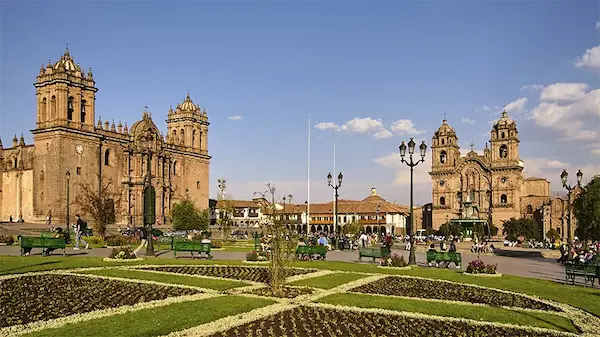
For as much of a central square, more Plaza de Armas is the heart of Cusco city and can be beaten for any visitor to begin. Lined with colonial-style arcades, colorful cafes, and plenty of friendly Colombians chilling out or letting loose at the round-the-clock festival atmosphere. Cusco Cathedral (Cathedral Basilica of the Assumption of the Virgin) is an impressive cathedral in Cusco which takes up a large section on one end of Plaza de Armas. Upon entering, visitors will discover an incredible assembly of colonial religious art works and artifacts, with everything from paintings of the legendary Cusco School which fused European techniques ith indigenous art.
The plaza comes alive every time with street performances and by local artisans offering their craftwork, the sightseer here can feel on most of what this city has to offer. The architecture here goes along with history: conquest and cultural fusion, colonial structures built on Inca foundations. If you want to know what to do in Cusco Peru when it comes to interesting sites, the Plaza de Armas is an example of how history combines in the present and is one of three good options for these people.
2. Qorikancha (Temple of the Sun)
The most important Inca site in the city is Qorikancha, a religious and political Cabecaby within the empire of tawantinsuyo. It bore the name “Golden Temple”, its walls were sheds gold foil, reflecting wealth in the sunlight. Built in honor of Inti, the Sun God and very important to Incas.
The work of indigenous stonemasons that formed the great Inca walls was buried within the modern-day church which was built by Spanish conquerors, creating a look where colonial architecture blends seamlessly into ancient stone foundations. Today’s visitors can admire the Inca stonework, which remains in place without any cement. You can also visit exhibitions on Inca cosmology, religion and architecture here that make Qorikancha a must-do for anyone interested in the city’s two-fold heritage.
3. San Blas Neighborhood – Artistic Charm
San Blas is Cusco’s bohemian neighborhood, a warren of narrow winding streets, peaceful plazas and artists’ workshops. The area is a great choice for travelers interested in the experience of living among locals, away from the most frenzied tourist areas. Here you can explore a range of artisan workshops where locals make things like textiles, ceramics, paintings and jewellery using techniques that have been passed down through the generations.
In addition to the unique souvenirs, San Blas is home to several cozy cafes and small galleries. One of the famous churches is the San Blas Church, located in an elevated part of town with a pulpit carved from a single piece of cedar wood. Overlooking Cusco, this elevated spot has incredible views and is great for taking photos from.
4. Sacsayhuamán – Majestic Inca Fortress
Sacsayhuamán is one of the finest Inca archaeological sites and it lies a short distance from Cusco city centre. The fortress walls are built from enormous stones up to 100 tons each, precisely carved and placed without any mortar. So precise is work, that a knife cannot be inserted between stones.
Pre-arranged upon a hill, its strategic location was defensive over Cusco from the West and it doubled as an ceremonial center. Visitors can now explore the terracing of the walls, witness this extraordinary feat of engineering and absorb the stunning panoramic city views above the impressive mountain backdrop. Sacsayhuamán also serves as the site of major cultural events, such as the annual Inti Raymi Festival commemorating the winter solstice with traditional dances and rituals.
5. Museums and Cultural Centers
Cusco Home to a multitude of museums that delve deeper into the city’s history and bountiful indigenous cultures. The Museo Inka contains myriad ephemera from the Inca era, from pottery and textiles to tools and weaponry, all exhibits of which eloquently present a narrative spanning the empire’s ascent and eventual decimation. In case you are a fan of pre-Inca artifacts, make sure to stop by the Museo de Arte Precolombino featuring some impressive items from the country´s largely ancient past.
For sightseers, traveling to these museums before or after your ercolanesi walkabout properly contextualizes what you see in the ruins and throughout town. A great deal of these centers also have short term exhibits and workshops for a fully immersive experience.
You might be interested: The 15 best restaurants in Cusco (2025)
Unique things to do in Cusco
6. Participate in a Traditional Andean Ceremony
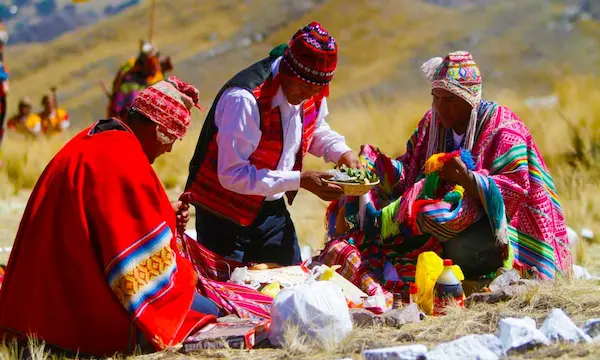
For those seeking authentic cultural immersion, participating in a Pachamama ceremony is a unique experience. Pachamama, or Mother Earth, is a central deity in Andean cosmology, and ceremonies often involve offerings, music, and prayers to thank the earth for its bounty.
Led by local shamans, these rituals take place in natural settings or sacred sites and provide profound insight into the spiritual life of the Andes. Visitors are often invited to offer coca leaves, corn, and other symbolic items, fostering a respectful connection with the land and its people.
7. Visit the Hidden Inca Ruins of Pukapukara and Tambomachay
Away from the crowds, the ruins of Pukapukara and Tambomachay offer serene environments and fascinating history. Pukapukara, meaning “red fortress,” was likely a military outpost or checkpoint guarding the road to Cusco. Its strategic design includes water channels and observation points.
Tambomachay, known as the “Inca Baths,” is celebrated for its beautiful aqueducts and fountains that demonstrate the Incas’ mastery of hydraulics. According to legend, it was a spa for Inca nobility, with water believed to have healing properties. Both sites are easy to access and provide tranquil alternatives to the busier tourist spots.
8. Explore the Prehistoric Art of the Quillarumiyoc Site
Quillarumiyoc is a lesser-known archaeological site featuring rock carvings and petroglyphs that date back to pre-Inca times. These engravings depict animals, human figures, and geometric patterns, offering a glimpse into the region’s ancient inhabitants and their relationship with nature.
Visiting Quillarumiyoc provides a peaceful experience away from crowds and is perfect for travelers interested in archaeology and anthropology.
9. Take a Culinary Tour Focused on Andean Ingredients
Cusco’s cuisine is an incredible fusion of native ingredients and culinary traditions. Joining a specialized food tour allows visitors to explore local markets like San Pedro, taste native fruits such as lucuma and cherimoya, and learn about staples like quinoa, potatoes, and corn varieties.
Many tours include cooking classes where you can prepare traditional dishes such as ceviche, pachamanca (meat and vegetables cooked in an earth oven), or causa (potato-based appetizer). These culinary experiences deepen your connection to Andean culture through its flavors and food traditions.
Day trips and surrounding attractions
10. The Sacred Valley – A Natural and Cultural Wonderland
The Sacred Valley stretches along the Urubamba River, offering lush landscapes dotted with small villages, terraced farms, and ancient ruins. Highlights include:
- Pisac: Famous for its sprawling Inca ruins on a hillside and a vibrant traditional market selling textiles, jewelry, and ceramics.
- Ollantaytambo: This well-preserved Inca town features imposing terraces and a fortress that once resisted Spanish conquest.
- Chinchero: Known for its living textile tradition and colonial church with impressive murals.
Exploring the Sacred Valley offers a perfect blend of nature, history, and local culture, with opportunities for hiking, horseback riding, and cultural workshops.
11. Machu Picchu and the Inca Trail
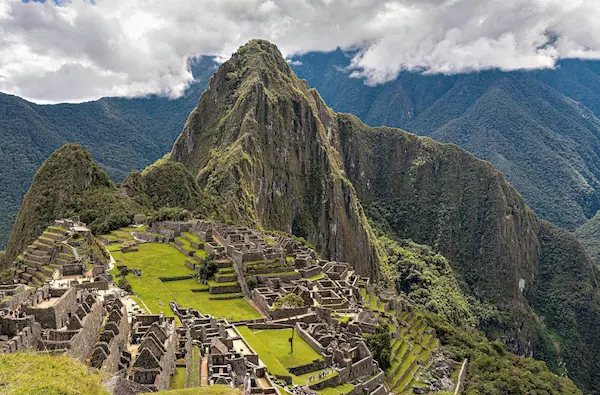
Machu Picchu is the jewel of Peru’s archaeological heritage, and visiting it is a dream for many travelers. Whether you choose the train from Cusco or trek the famous Inca Trail, the experience is unforgettable.
The Inca Trail is a challenging four-day hike passing through cloud forests, ancient ruins, and stunning mountain vistas before reaching Machu Picchu at sunrise. Along the way, trekkers visit sites such as Wiñay Wayna and Intipata, which enrich the adventure.
12. Moray and Maras Salt Mines
Moray’s circular terraces are believed to have been agricultural laboratories, each level creating microclimates for crop experimentation. Walking through Moray offers a surreal landscape unlike any other.
Nearby, the Maras Salt Mines are a patchwork of thousands of terraced salt pools carved into the mountainside. Locally harvested for centuries, the salt is still collected using traditional methods, providing a fascinating glimpse into sustainable Andean livelihoods.
You might be interested: 21 Facts about inca culture
Practical travel tips for Cusco visitors
13. Acclimate Properly to the Altitude
Because of its high elevation, Cusco can cause altitude sickness, especially for those not accustomed to mountainous terrain. Symptoms include headaches, nausea, and dizziness. To minimize discomfort, take your first day slowly, avoid strenuous activities, drink plenty of water, and consider drinking coca tea, a traditional remedy. Some travelers also use medication like acetazolamide, but consult your doctor beforehand.
14. When to Visit Cusco
The dry season (May to September) is the best time for trekking and outdoor activities, with clear skies and mild temperatures. The rainy season (October to April) brings lush landscapes and fewer tourists but expect afternoon showers that can disrupt hiking plans.
15. Dress in Layers and Bring Comfortable Shoes
Temperatures can fluctuate significantly, from warm days to cold nights. Layered clothing allows for easy adjustment. Comfortable, sturdy shoes are essential for cobblestone streets and hiking trails.
Where to stay and how to get around
Cusco offers a wide range of accommodations, from luxury hotels with stunning views to budget-friendly hostels perfect for backpackers. Staying near the Plaza de Armas or San Blas makes it easy to access key attractions.
Getting around the city is easiest on foot, especially for exploring things to see in Cusco city. For farther destinations like the Sacred Valley, taxis, buses, and organized tours are convenient and affordable options.
Embrace the spirit of Cusco
Cusco is a city of contrasts, where ancient Inca ruins blend seamlessly with colonial architecture and vibrant modern culture. From iconic landmarks to unique things to do in Cusco, this city promises memories full of wonder and discovery. Use this guide to the things to do in Cusco and things to see in Cusco Peru to plan your perfect journey through the heart of the Andes.
