That course was altered on August 6, 1824. By time and force he would break! Brief was the strife; sublime, And quickly done:The battle of Junin was brief But grand a type Of Hugo’s doom.By Janus revels I found word As yet unwritten. It was the beginning of the end of Spanish control in Peru and had provisions for vice victory at Ayacucho. It was the beginning of the end of Spanish colonial rule in Peru and cleared thr way for eventual victory at Ayacucho. The remote plateau where it all unfolded is visited today by only a few people. The will of freedom that still breathes in the territory and history inherited from generation to generation, popular celebrations and patriotic keeps alive the spirit of Junín. Once you soak in this historical marker, a visit to the Andes becomes even more meaningful. It extends far beyond the mere visiting of ruins and snapping photos. That is the point of connection with the fighting spirit of a nation.
What was the Battle of Junín and why did it mark Peruvian history?
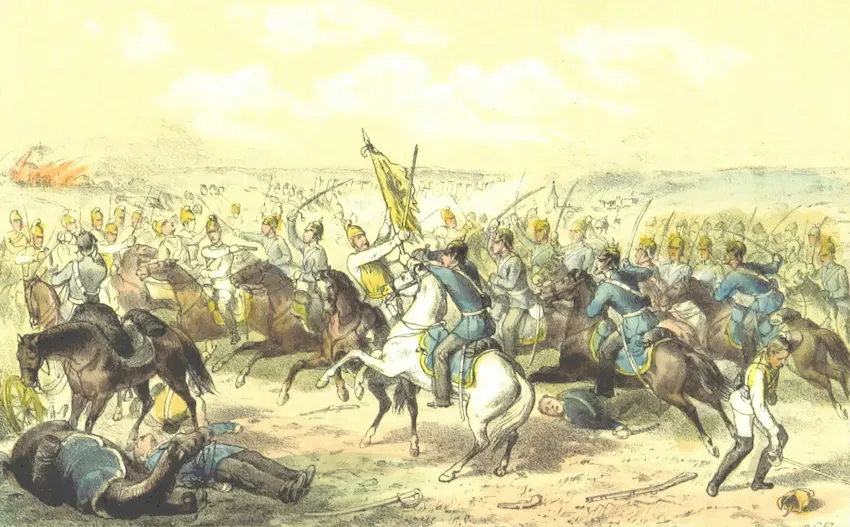
The battle of Junín on 6 August 1824 was a milestone in the process of independence from Peru. Situated on the hilly Andean plain beside Lake Chinchaycocha, this cavalry conflict announced the death knell of Spanish colonial rule in South America. Lead by Simón Bolívar¹s patriot troops, the battle was fierce but also symbolic as no firearms were used, just sabres and lances. That paved the way for the final victory at Ayacucho, a few months later. Similarly, Junín remains a powerful symbol of freedom today. Beyond ruins and landscapes, traveling to these ancient places in Peru gives a unique connection to the past of this country. An opportunity to stroll by the cradle of liberty and see the hope of a new nation fighting for its very existence.
The context of 1824: between war and hope
Peru was at a turning point in 1824. Despite years of warfare, the rise and fall of subjugated tribes and temporary victories, Spain still maintained control over their kingdom but now a sense that things were beginning to unravel. An independence movement had been started, and the arrival of those troops from Simón Bolívar proved that they were not alone in this. The Andes became not only a battlefield, but an icon of resistance. In the midst of the war, over valleys and plateaus, we began to dream of a free Peru. The Battle of Junín was an ember that lit the fuse of the final campaign for independence. The along the coast, plus another in Cintis, which many tourists visit at least half the time they alone take for it So a wake-up call is lifted altogether it requires immediate attention. And that essential moment teaches travelers what Peru truly encompasses: not being a location but rather a nation of bravery, endurance and the vision of independence.
Bolívar, Sucre, and the Hussars: protagonists of independence
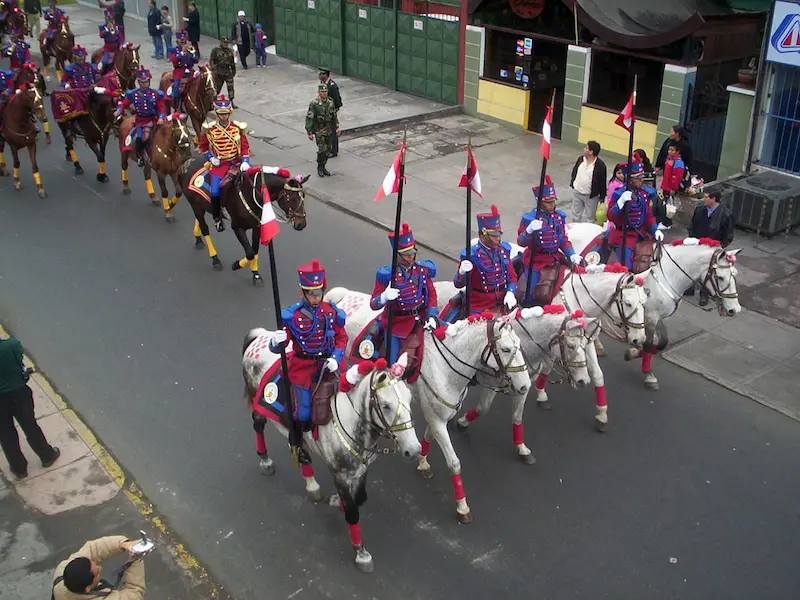
Peru’s road to independence wasn’t just about fighting battles; it was shaped by leaders and brave people putting in the effort.Simón Bolívar, known as the Liberator, used smart military tactics along with his big vision for South American unity.He had support from Antonio José de Sucre, a talented young general who won the battle at Ayacucho and later became Bolivia’s first president. The Hussars played a key role in the story of Junín.These cavalry soldiers were known for their quick movements and strict training.On August 6, 1824, they took important actions that gave them the upper hand in the fight.The name Húsares de Junín now represents Peru’s presidential guard, showing how their legacy lives on. Bolívar, Sucre, and the Hussars formed a remarkable team, and their bravery and sacrifice changed a whole continent.Their actions show that freedom requires real effort instead of just being given away.The independence from Peru was not to only win battles, but to be achieved with leaders and good people who make let the effort.Simón Bolívar, the Liberator, realised that while large-scale warfare helped him unite South America in his head, he was quite an adept tactician.With the backing of a promising young general, Antonio José de Sucre, who defeated him at Ayacucho San Martín had returned to Buenos Aires in 1822. A whole chapter in the story of Junín was opened by the Hussars.The troops of these horse soldiers were recognized for being limber and subjected to very stern discipline.These events provided crucial actions on August 6, 1824 enabling them to secure the day.Today, it stands as a face of Peru’s presidential guard, with the name Húsares de Junín.
The Bombón Plateau: a natural setting for the battle
High up in the Andean mountains, you’ll find the stunning Bombón Plateau. It’s not just a place with breathtaking views—this environment also holds a special place in Peru’s history. Once, it was the scene of the important Battle of Junín on August 6, 1824. On that day, instead of gunfire, the air was filled with the clash of swords and the pounding hooves of galloping horses. These days, only a handful of adventurous travelers make their way to this remote spot. But for those who do, the experience is truly unforgettable. The scenery around the plateau is packed with stories of bravery and the struggle for independence. Visiting Bombón Plateau isn’t just about walking in Bolívar’s footsteps; it’s about feeling connected to a nation that fought for freedom. Whether you’re a history lover or just someone who enjoys discovering new places, this trip offers a chance to reflect on the past that helped shape modern Peru—a moment to stand where courage was alive and legends were born.
What is celebrated on august 6 in Peru?
Every year on August 6, Peru marks the Battle of Junín, an important event in its struggle for independence. In 1824, this cavalry battle in the Andes played a big role in pushing out Spanish rule. It was a key moment that eventually led to Peru’s full independence at Ayacucho. Since 2022, August 6 has been an official national holiday. On this day, schools, government offices, and businesses close to remember the courage of those patriots who forged Peru’s future. There are ceremonies, parades, and cultural events to celebrate the Hussars of Junín, whose brave charge made a difference in history. For visitors, this day isn’t just a break from work; it’s a chance to feel the pride of a nation that fought hard for its freedom.
Patriotic ceremonies and cultural events
High up in the Andean mountains rests the beautiful Bombón Plateau, much more than just a scenic view; it’s a place of great importance in Peru’s story. This vast, breezy land was the setting for the crucial Battle of Junín, fought on August 6, 1824. That day, the air filled with the clash of steel and the steady rhythm of charging horses, instead of gunshots. Nowadays, only a few people visit this isolated location. However, those who make the journey are greatly compensated. The views around the plateau are full of historical meaning, telling stories of courage and independence. A trip to Bombón Plateau is more than just following in the footsteps of Bolívar and his army; it’s about feeling a link to the soul of a country that fought against oppression. Whether you’re a history buff or love exploring new places, it gives you a chance to think about the past that shaped today’s Peru, a chance to be where valor thrived and myths began.
How is this date celebrated in Junín and other regions?
Peru officially made August 6 a national holiday in 2022, a day to remember the Battle of Junín. Across the Junín area, you’ll find military displays, community events, and respects paid to the Junín Hussars – their famous cavalry attack was crucial for independence. Local schools and town halls put on flag ceremonies, historical plays, and cultural shows that showcase the area’s importance in forming Peru’s destiny. Elsewhere in Peru, particularly in cities like Lima and Huancayo, the date brings patriotic talks, musical shows, and neighborhood get-togethers. Government offices and cultural groups arrange events that celebrate Simón Bolívar’s impact, along with the brave soldiers who fought for liberation. To many Peruvians, the holiday is a chance to contemplate their country’s spirit and the costs of gaining freedom. For tourists, being in Peru on August 6 gives a special look at the nation’s deep-seated history and active customs. More than just a day off, it’s a tribute to strength.
Is it a national holiday? What to do if you’re traveling on that date
Indeed, Peru recognizes August 6 as a national holiday, a designation made official through Law 31530 in 2022 to honor the Battle of Junín. Across the nation on this day, you’ll find government buildings, educational institutions, and numerous companies shuttered, while patriotic celebrations unfold. Should you find yourself employed in Peru on this particular date, the nation’s labor regulations stipulate that you are due triple compensation, assuming you do not receive an alternate day of rest.
Can you visit the site of the Battle of Junín?
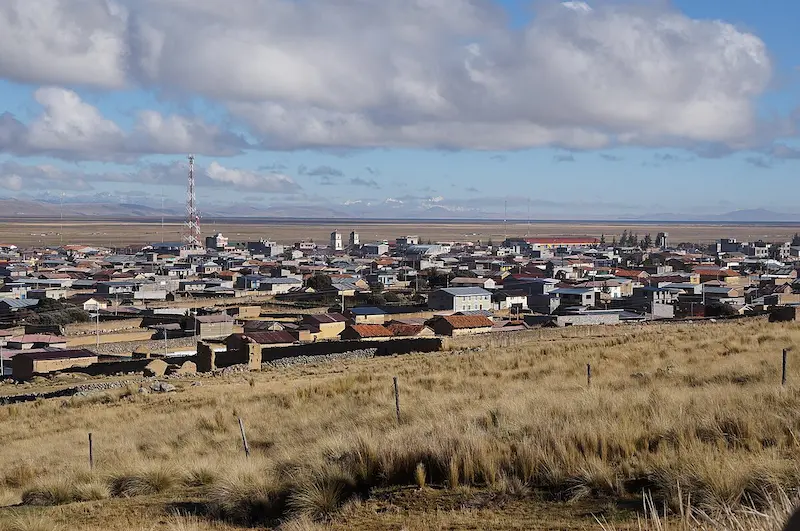
Absolutely! You definitely can go there, and it’s a visit worth making, especially if you’re into Peru’s history or just love exploring places with interesting stories behind them. The battlefield is situated high up in the central Peruvian highlands, near the shores of Lake Junín (also called Chinchaycocha), more than 4,000 meters above sea level. It’s where, on August 6, 1824, the independence forces led by Simón Bolívar fought against Spanish royalist troops in what turned out to be one of the most important battles on the road to Peru’s independence. Today, the site, known as Pampa de Junín, is open to visitors. There’s a big monument standing proudly on the plain, and even though there’s no full museum, the atmosphere alone feels like stepping back in time. Going with a local guide or on a historical tour can really help bring the past to life with some helpful context. If you’re wondering how to get there, the site is pretty easy to reach from central Peru. The nearest major city is Huancayo, about 150 kilometers away. From there, you can hop on a bus, join a tour, or rent a car. Just remember, since it’s over 4,000 meters up, it’s best to take it slow, drink plenty of water, and give yourself time to get used to the altitude. Is it worth the trip? If you love visiting places with a story to tell especially stories that shaped a country’s future then yes, visiting the Battle of Junín site is definitely worthwhile. Besides its historical significance, the scenery is beautiful, with wide open skies, mountain air, and a peaceful silence that invites reflection. It’s a great stop for history fans, curious travelers, or anyone wanting to see a different side of Peru.
What to see in the region: Lake Chinchaycocha, monuments, and museums
If you’re planning a trip to the Junín region, you’re in for more than just a lesson in history. This part of Peru offers a mix of breathtaking landscapes, cultural treasures, and quiet, meaningful places that leave a lasting impression.
Lake Chinchaycocha (Lake Junín)
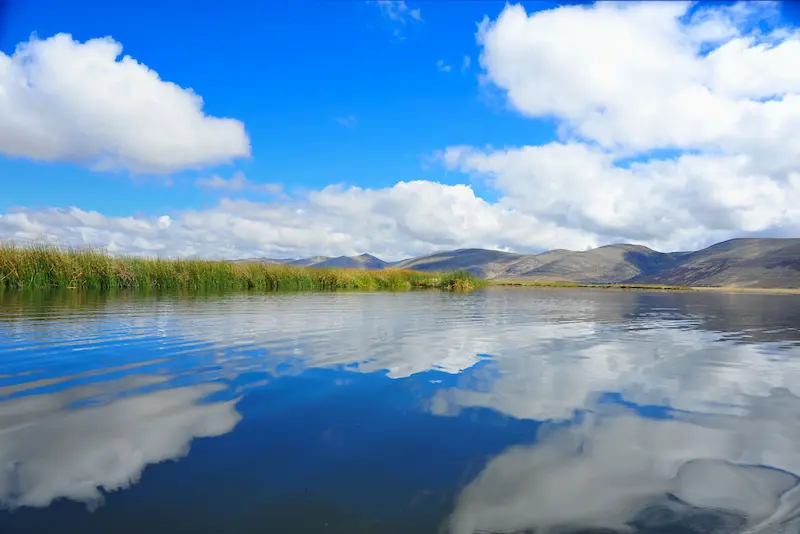
Let’s start with Lake Chinchaycocha, also known as Lake Junín. Sitting at over 4,000 meters above sea level, it’s the second-largest lake in Peru and one of the most peaceful spots you can visit. The lake’s wide, open scenery and calm waters create a serene atmosphere that’s perfect for a relaxing break from the busy world.
Nature lovers will enjoy the chance to see rare bird species like the Junín grebe and the Junín rail, both of which are found only in this region. Whether you’re birdwatching, taking photos, or simply enjoying the stillness, this lake has a way of making you feel grounded.
Monuments
One of the most meaningful stops in the area is the Battle of Junín Monument, located on the vast Pampa de Junín. This simple but powerful memorial honors those who fought in the historic 1824 battle that played a crucial role in Peru’s independence.
The monument is surrounded by wide plains and a deep sense of silence a place that naturally invites reflection. It’s not crowded or commercialized, which makes the experience even more personal and authentic.
Museums
While you won’t find large, modern museums in this part of Peru, there are a few small local museums in nearby towns like Junín and Cerro de Pasco. These spaces offer a glimpse into the region’s rich history, from pre-Columbian cultures to colonial times and the independence movement.
They may be small, but they’re filled with stories and often run by locals who genuinely care about sharing their heritage. Visiting them gives valuable context to everything else you’ll see in the region.
Recommendations for travelers interested in history
If you’re someone who loves to dive into the past while traveling, the Junín region has plenty to offer. From key independence era landmarks to lesser-known local stories, this highland area of Peru is ideal for history buffs looking for a deeper experience. Here are some tips and recommendations to make the most of your visit.
Take a guided tour of the battlefield
While visiting the site of the Battle of Junín is powerful on its own, going with a local guide adds valuable context. Many guides are locals with deep knowledge of the events that took place there in 1824, and some even share stories passed down through generations. It’s a great way to see the land not just as scenery, but as a stage where history unfolded.
Visit local museums even the small ones
Don’t overlook the small museums in towns like Junín or Cerro de Pasco. They might not be grand, but they’re full of charm and artifacts that connect the dots between Peru’s ancient cultures, colonial past, and independence movement. These museums often offer a more personal, hands-on experience than big institutions.
Read up before you go
A little background reading can really enhance your trip. Learning about Simón Bolívar, the Wars of Independence, or even the role of cavalry in the Battle of Junín will help you appreciate the significance of the sites you’ll see. Plus, it can make your conversations with locals and guides even more rewarding.
Respect the cultural and historical sites
These places carry deep historical meaning, not just for Peruvians but for all of South America. Be mindful when walking around the battlefield or entering community run museums. Take only photos, leave no trace, and support local initiatives when you can it helps preserve these stories for future generations.