
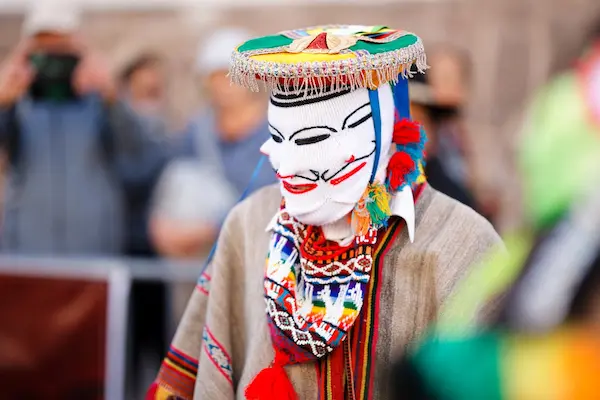
The traditions of Peru represent one of the most complex cultural systems in Latin America. The country is characterized by a rich combination of pre-Columbian civilizations, colonial influences, and modern expressions that together form a distinctive cultural identity. To understand the traditions of Peru, it is necessary to consider their historical depth, regional diversity, and the ways in which they have been preserved and adapted over time.
Peru is a land where continuity and change intersect. The traditions of Peru embody values of community, spirituality, and connection to the land. These cultural elements are not isolated practices; they are part of a broader worldview in which history, daily life, and identity converge. The traditions of Peru thus serve both as markers of cultural belonging and as tools for transmitting values across generations.
The role of indigenous heritage is central to the understanding of the traditions of Peru. Ancient civilizations such as the Inca left behind not only monumental architecture and administrative systems but also a living cultural framework that influences how native Peruvians perceive the world today. The combination of this heritage with Spanish colonial structures created a society that reflects both fusion and resilience.
You might be interested: Peruvian Culture: Traditions, History and Modern Life

What is Peru’s tradition?
The question of what defines Peru’s tradition requires an analysis that encompasses historical, religious, and social dimensions. The traditions of Peru cannot be reduced to a single custom or festival. They form an extensive body of practices that reflect the values of harmony with nature, reverence for ancestors, and a strong sense of community life.
Historically, the traditions of Peru derive from pre-Columbian times. Agricultural cycles were central to the organization of life, and rituals were designed to maintain balance with natural forces. With the arrival of Spanish colonizers, Catholic practices were imposed, but they were often reinterpreted and integrated into existing indigenous rituals. The result was a unique system of religious and cultural syncretism.
The traditions of Peru also involve strong ties to symbolism. Ceremonies, songs, and dances are not merely artistic expressions but reflections of identity. Religious festivals, agricultural rituals, and community gatherings have survived because they are essential for social cohesion. Over time, these traditions have acquired national meaning, transcending regional differences.
Peru Traditions and Celebrations
Among the most distinctive aspects of the traditions of Peru are the celebrations and festivities that structure the calendar year. These events are not simply moments of leisure but rather cultural practices that maintain historical continuity. Peru traditions and celebrations include both national holidays and regional festivities, each with their own significance.
National celebrations commemorate historical events or religious occasions that have become part of the country’s identity. These include important days that mark Peru’s independence and Catholic festivities introduced during colonial times. Yet, even in national celebrations, indigenous practices often remain present, showing the persistence of cultural fusion.
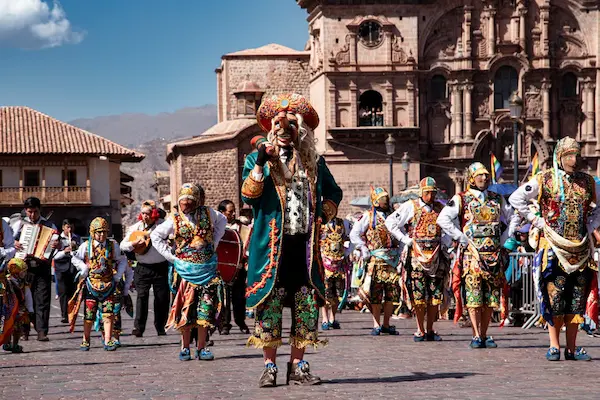
Regional festivities are equally important in defining the traditions of Peru. Each area of the country has its own calendar of events that reflect local history, geography, and belief systems. These celebrations are typically organized around agricultural cycles, religious devotions, and community values. The symbolism behind music, dance, and clothing reinforces collective identity and connects people to their ancestral past.
In this sense, Peru traditions and celebrations represent more than entertainment. They serve as mechanisms of cultural reproduction, transmitting knowledge, values, and historical memory. Through processions, dances, and communal rituals, communities strengthen their sense of belonging and continuity.
You might be interested: How to Prepare for a Multi-Day Trek – Gear, Training, and Survival Tips
What are some family traditions in Peru?
Family life is another key dimension of the traditions of Peru. The family is often seen as the primary unit of social organization, and many customs revolve around the preservation of family ties.
One important element of the traditions of Peru is the way family gatherings are structured. Meals are occasions of social bonding, where food not only nourishes but also represents heritage. The role of elders is especially valued, as they are considered the keepers of wisdom and tradition.
Another aspect of family traditions in Peru concerns the rituals that mark different stages of life. Birth rituals, childhood ceremonies, and transitions into adulthood all involve practices that symbolize continuity and protection. Marriage customs also highlight the importance of family networks, with celebrations emphasizing the union of extended families rather than just individuals.
Funeral practices are equally significant within the traditions of Peru. They combine Catholic rites with indigenous elements, reflecting the dual heritage that defines Peruvian identity. The remembrance of ancestors plays a crucial role, reinforcing the belief in the continuity of life and the importance of lineage.
In summary, family traditions in Peru are not only private customs but part of the collective framework that supports cultural identity. They sustain values of respect, reciprocity, and community integration.
Cultural Expressions and Attire
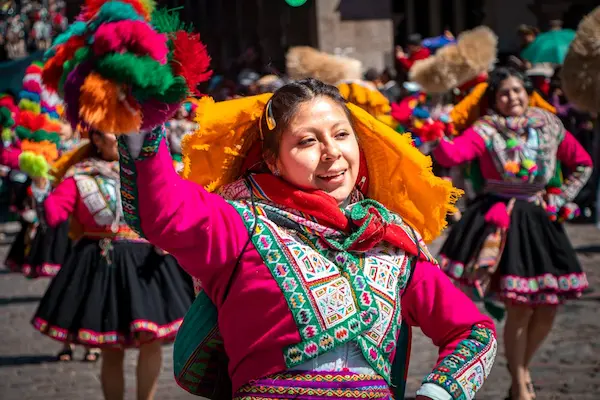
The traditions of Peru are also visible in attire and clothing practices. Dress is a form of cultural expression that reflects both identity and regional diversity. One of the most recognizable symbols is the traditional Peru national costume, which varies significantly depending on the region. In the Andes, clothing often incorporates wool, geometric patterns, and colors that symbolize agricultural cycles. On the coast and in the Amazon, attire reflects different climates and materials but remains linked to local history.
The traditional Peruvian hat is another emblematic element. It is more than just an accessory; it carries social and cultural meaning. In many regions, the style of hat can indicate community belonging, marital status, or social role. The persistence of the traditional Peruvian hat in modern life demonstrates the resilience of cultural symbols within the traditions of Peru.
Attire also plays a central role in festivals and rituals. The use of specific costumes during dances or ceremonies represents the continuity of ancestral practices. By wearing these clothes, individuals participate in the cultural transmission of values, reaffirming their identity as part of a larger historical community.
Thus, cultural expressions in dress reflect how the traditions of Peru integrate symbolism, identity, and continuity in daily life.
You might be interested: Unforgettable Unique Travel Experiences in Peru
What are 5 cultural facts about Peru?
Analyzing the traditions of Peru can also be approached through key cultural facts that summarize the complexity of the country’s heritage.
- First cultural fact: The traditions of Peru are multilingual. Although Spanish is the dominant language, native Peruvians have preserved Quechua, Aymara, and many Amazonian languages. Language is both a tool of communication and a carrier of worldview.
- Second cultural fact: The traditions of Peru reflect an Andean worldview, which emphasizes harmony with nature. Agricultural practices and rituals are organized around cycles of the sun, moon, and stars, highlighting the interconnectedness between humans and the environment.
- Third cultural fact: Agricultural practices themselves represent continuity with ancient civilizations. Techniques such as terracing and irrigation systems are still in use, showing the persistence of ancestral knowledge in modern times.
- Fourth cultural fact: Religious syncretism defines much of the traditions of Peru. Catholic rituals coexist with indigenous ceremonies, creating cultural expressions that are uniquely Peruvian.
- Fifth cultural fact: Artisanal production is not only an economic activity but also a cultural practice. Weaving, pottery, and silverwork embody ancestral techniques that transmit cultural identity from generation to generation.
These five cultural facts provide a framework for understanding the traditions of Peru as a system that integrates language, environment, spirituality, and craftsmanship.
What is Peru famously known for?
When considering what Peru is famously known for, the answer extends far beyond iconic archaeological sites. The essence of recognition lies in the traditions of Peru, which define the cultural identity of the nation. While Machu Picchu, Cusco, and other landmarks capture global attention, the deeper reality is that Peru’s fame is rooted in its living traditions.
Peru is known for the resilience of its cultural systems. The traditions of Peru are widely studied because they illustrate how ancient practices coexist with modern realities. Language diversity, music, dance, and community rituals form part of this cultural visibility. Scholars and observers emphasize that Peru is not simply a geographical territory but a cultural landscape defined by heritage.
Another dimension of what Peru is famously known for is gastronomy. The question of what is Peruvian cuisine is inseparable from the traditions of Peru. Culinary practices are not just recipes; they are expressions of history and adaptation. Ingredients native to the Andes, the coast, and the Amazon remain central, and the techniques used to prepare them reflect cultural continuity.
Peru is also recognized for its handicrafts and artisanal production. The symbolic value of weaving, ceramics, and jewelry extends beyond economic utility. These items embody the worldview of native Peruvians, demonstrating the link between creativity, spirituality, and cultural transmission.
Thus, Peru is famously known not only for its monuments but also for the endurance and adaptability of its cultural traditions. This reputation reinforces the significance of the traditions of Peru as a global reference for cultural diversity.

The Role of Native Peruvians in Cultural Continuity
The traditions of Peru cannot be fully understood without acknowledging the role of native Peruvians in preserving and transmitting cultural knowledge. Indigenous groups across the Andes and Amazon maintain rituals, languages, and practices that predate colonial times.
Language is a key element in this continuity. Quechua, Aymara, and Amazonian languages are not only communication systems but also carriers of identity and worldview. Through oral traditions, myths, and storytelling, native Peruvians ensure that cultural memory remains alive.
Ceremonies and rituals maintained by these communities form the backbone of the traditions of Peru. Seasonal offerings to the land, ancestral remembrance, and community work are not isolated practices but integral components of cultural survival. These traditions are deeply tied to the values of reciprocity and harmony.
The persistence of indigenous practices demonstrates resilience. Despite historical pressures of colonization and modernization, native Peruvians have safeguarded cultural heritage. In doing so, they ensure that the traditions of Peru are not limited to museums or academic studies but remain living realities.
Modern Dimensions of the Traditions of Peru
The traditions of Peru are not static. They evolve with time, responding to new social, political, and economic contexts. Modern life in Peru reflects a process of adaptation, where cultural heritage interacts with globalization.
In urban areas, traditional festivals are often celebrated with new forms of organization. Music and dance are presented in both local neighborhoods and national stages, illustrating the adaptability of customs. The traditions of Peru thus demonstrate resilience in diverse contexts, from rural communities to modern cities.
Tourism also influences the traditions of Peru. While some practices are highlighted for external audiences, the internal meaning remains vital. Rituals and festivals continue to serve as vehicles of identity for native Peruvians, even as they become visible to global visitors.
Education plays a role in reinforcing cultural identity. Curricula often include references to historical civilizations, languages, and cultural practices. In this way, the traditions of Peru are integrated into formal systems of knowledge, ensuring that younger generations develop awareness of their heritage.
Globalization presents challenges but also opportunities. While external influences shape contemporary lifestyles, there is also renewed appreciation for cultural preservation. Museums, cultural institutions, and community organizations collaborate to protect heritage. This demonstrates how the traditions of Peru can coexist with modernization.
Regional Dimensions of the Traditions of Peru
The diversity of geography in Peru directly influences cultural traditions. The Andes, the coast, and the Amazon each contribute unique practices that enrich national identity.
In the Andes, the traditions of Peru are closely tied to agricultural cycles and spiritual relationships with the land. Rituals surrounding planting and harvest continue to guide community life. Symbolism in attire, particularly the traditional Peru national costume and the traditional Peruvian hat, reflects Andean identity and values.
On the coast, traditions are linked to fishing communities, religious festivals, and expressions of colonial heritage. Music and cuisine reflect a blend of indigenous, African, and European influences, illustrating the multicultural nature of coastal life.
In the Amazon, traditions emphasize the relationship between humans and the environment. Rituals are often tied to rivers, forests, and the balance of ecosystems. For native Peruvians in the Amazon, oral traditions and ceremonial practices remain essential for cultural continuity.
These regional differences do not create fragmentation but rather enrich the traditions of Peru as a whole. The coexistence of multiple cultural systems within one nation demonstrates diversity and resilience.
Symbolism in Clothing and Attire
Clothing is not merely a practical necessity but a symbolic system that communicates identity. The traditions of Peru include highly distinctive attire that varies across regions.
The traditional Peru national costume illustrates regional variation while also serving as a national symbol. Colors, materials, and designs reflect agricultural cycles, religious symbolism, and community belonging. The persistence of these costumes demonstrates cultural resilience in the face of modernization.
The traditional Peruvian hat carries specific symbolic weight. Styles differ by region, but all reflect deep ties to community life. In some areas, hats indicate marital status or social role. In others, they are worn during festivals to emphasize spiritual connection. This continuity highlights the importance of attire as part of the traditions of Peru.
During festivals and ceremonies, clothing becomes even more significant. Costumes are designed to embody ancestral stories and collective memory. Wearing traditional attire is therefore an act of cultural affirmation, connecting individuals with historical continuity.
The Role of Religion in the Traditions of Peru
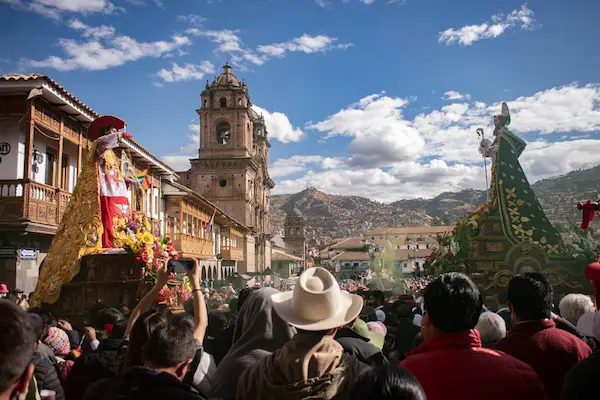
Religion is central to the traditions of Peru, shaping both private practices and public celebrations. The coexistence of Catholicism and indigenous beliefs has created a unique cultural system defined by syncretism.
Catholic festivals introduced during the colonial period often merged with existing rituals. As a result, processions and religious gatherings frequently incorporate indigenous symbolism. This blending is not accidental but reflects a cultural strategy of survival.
Indigenous spirituality remains present through offerings to natural forces, rituals of reciprocity, and ancestral remembrance. For native Peruvians, the integration of these practices with Catholic structures illustrates continuity. The traditions of Peru thus represent a dual system where two belief frameworks coexist.
This religious dimension reinforces social cohesion. Festivals and rituals are collective events that bring communities together. Participation ensures not only spiritual connection but also cultural continuity.
The Global Importance of the Traditions of Peru
The traditions of Peru are not limited to national boundaries. They form part of global cultural heritage, recognized for their diversity and historical depth. International organizations and scholars often emphasize their value as examples of resilience.
One reason for global recognition is the survival of ancient practices. While many cultures have experienced erosion, the traditions of Peru demonstrate continuity. This continuity is attributed to the strength of community systems and the role of native Peruvians in preserving heritage.
Another reason is the symbolic richness of these traditions. Clothing, music, and rituals provide insights into worldviews that emphasize harmony and reciprocity. As modern societies search for sustainable ways of life, the traditions of Peru offer lessons about coexistence with nature and the value of community bonds.
Global recognition also reinforces internal pride. The awareness that traditions of Peru are valued worldwide strengthens national identity. This reciprocal relationship demonstrates the enduring importance of cultural heritage.
Conclusion: The Enduring Value of the Traditions of Peru
The traditions of Peru represent a cultural system that integrates history, spirituality, and identity. They are not isolated practices but interconnected expressions of community life. From family customs to regional festivals, from attire to religious rituals, the traditions of Peru form a coherent framework of values and continuity.
The persistence of these traditions reflects the role of native Peruvians in safeguarding cultural heritage. Language, rituals, and symbolic practices endure because they remain essential to identity. Despite the challenges of modernization and globalization, traditions adapt without losing their core meaning.
The significance of the traditions of Peru lies in their dual character. They preserve ancestral knowledge while simultaneously adapting to contemporary realities. This duality ensures that cultural identity remains dynamic, resilient, and meaningful.
Ultimately, the traditions of Peru demonstrate the value of heritage as a living force. They embody continuity across generations, provide social cohesion, and reinforce national identity. As long as these traditions remain part of daily life, they will continue to define the essence of Peruvian culture in both national and global contexts.
