
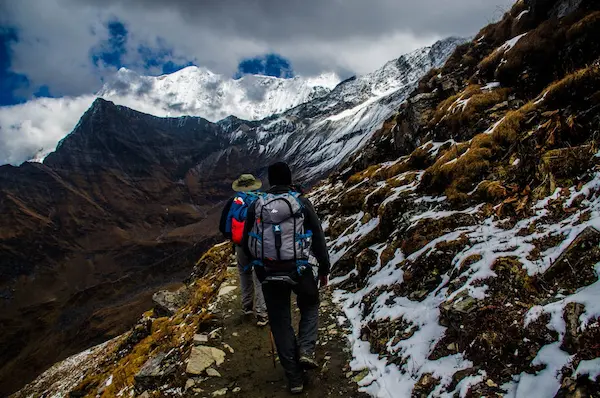
Trekking is much more than the act of walking through natural places; it is a complete experience of a landscape, culture, and self-discovery. However, adventure can go from being delightful to a strenuous endeavor, if it involves more than one day, and multi-day treks involve more than just physical components, they also involve conditioning and an enormous amount of pre-planning such as: physical training, gear preparation, nutrition, and safety.
One of the most spectacular adventures and places to trek is Peru; Peru is home to several legendary treks including the Inca trail to Machu Picchu, the Salkantay trek, and Choquequirao trek. Each trek involves significant physical exertion and high-altitude in stunning landscapes rich with historical and cultural significance. Also, hikers have to contend with daily altitude changes, weather changes, and travel logistics long before setting foot on the trail.
This guide is meant to offer a complete guide to how to prepare for a multi-day trek. Everything indicated below, from physical training, to gear preparation, hydration, safety skills etc., aims to prepare adventurers – whether inexperienced participants or experienced trekkers – to have a successful trek. Although you may also wish to hike Peru’s famous multi-day treks, the information in this document is intended for you to apply to many other high-altitude and multi-day treks around the world, the information in this document applies equally: preparation, planning, and management of nature.
You might be interested: Unforgettable Unique Travel Experiences in Peru
Understanding the demands of a Multi-Day Trek
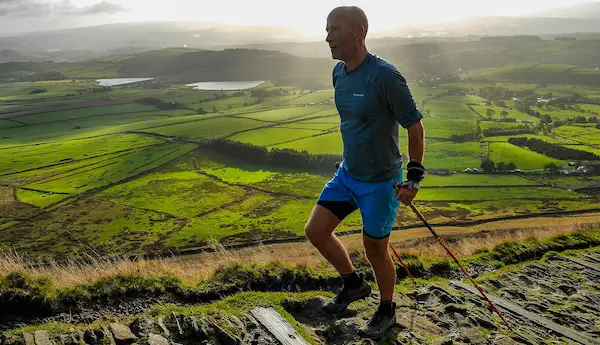
Multi-day treks are physically and mentally more demanding than single-day hikes. They require carrying additional weight, sleeping in outdoor conditions, and enduring long hours of activity sometimes at high altitudes or under harsh weather. To succeed, trekkers must understand the unique demands of this kind of adventure and how to meet them.
Physical challenges
A multi-day trek often covers rugged terrain with steep ascents, descents, and uneven paths. Daily distances may range from 10 to 25 kilometers (6 to 15 miles), and hikers must maintain consistent energy over consecutive days. The physical strain affects not only the legs but also the back and core due to the weight of the backpack.
Moreover, altitude plays a significant role in treks across the Andes or other mountainous regions. High elevations reduce oxygen levels, leading to fatigue, dizziness, or altitude sickness. Preparing for this aspect is essential, as the body needs time to adjust.
Mental and emotional demands
Beyond physical exertion, a multi-day trek tests mental resilience. Trekkers may face moments of exhaustion, discomfort, or even isolation. Weather changes can create additional stress, as can navigating remote areas where help is limited. Mental preparation through visualization, setting realistic goals, and focusing on the journey rather than just the destination is crucial.
Why preparation matters
Poor preparation can lead to injuries, severe fatigue, and a negative trekking experience. Conversely, proper planning allows adventurers to move confidently and efficiently, making the most of every step. Knowing what to expect and how to handle challenges transforms a potentially overwhelming experience into a rewarding one.
Training for a Multi-Day hike
Preparation for a multi-day trek begins long before reaching the trailhead. Building the necessary strength, endurance, and stamina will help you enjoy the experience and reduce the risk of injuries. Whether you are planning a trek in Peru’s Andes or exploring trails elsewhere, a well-structured training plan is essential.
Building physical endurance
Multi-day hikes demand sustained energy for long periods. Cardiovascular training helps condition your heart and lungs to handle extended exertion, especially at higher altitudes.
Recommended activities:
- Hiking with elevation gain – Start with shorter hikes and gradually increase distance and difficulty.
- Running or jogging – Improves cardiovascular capacity and leg strength.
- Cycling or swimming – Low-impact exercises that enhance endurance while protecting joints.
Training schedule:
- Begin at least 8–12 weeks before your trek.
- Include three to four days of cardiovascular exercise per week, with one long hike each weekend.
- Gradually increase intensity, aiming for a pace you can maintain for hours without excessive fatigue.
Strength training for stability
Carrying a loaded backpack for several days puts strain on muscles and joints. A strong core, back, and legs provide stability, balance, and injury prevention.
Key exercises:
- Squats and lunges – Build leg and glute strength for steep climbs.
- Planks and bridges – Enhance core stability, reducing strain on the lower back.
- Step-ups with weight – Mimic uphill trekking while carrying gear.
Strength training should be included two to three times per week, complementing endurance workouts.
Practicing with day hikes
Simulating trek conditions is the best way to prepare. Begin with day hikes, gradually increasing distance and terrain difficulty. Use your trekking backpack, starting with light loads and increasing weight over time to match what you will carry during your trek.
Key tips:
- Practice hiking on uneven, rocky, or steep trails.
- Include consecutive hiking days to mimic back-to-back trekking.
- Test footwear and gear to avoid surprises during the actual trip.
Acclimatization for high altitude
For treks in Peru like the Inca Trail, Salkantay, or Ausangate altitude can be one of the biggest challenges. Reduced oxygen levels may cause fatigue, headaches, nausea, or altitude sickness.
Preparation strategies:
- Spend two to three days at moderate altitude (2,500–3,000 m) before starting the trek.
- Train at higher elevations if possible, or use stair-climbing with a weighted pack to simulate conditions.
- Stay hydrated and avoid alcohol before and during your trek.
You might be interested: Festivals in Peru September: Celebrate Culture and Tradition
Essential gear for Multi-Day Treks
Carrying the right gear can make the difference between a comfortable, enjoyable journey and a challenging, exhausting one. For multi-day treks whether in the Andes of Peru or remote wilderness areas worldwide equipment must balance weight, durability, and practicality. Every item should serve a clear purpose, and unnecessary extras should be avoided.
Backpack and weight distribution
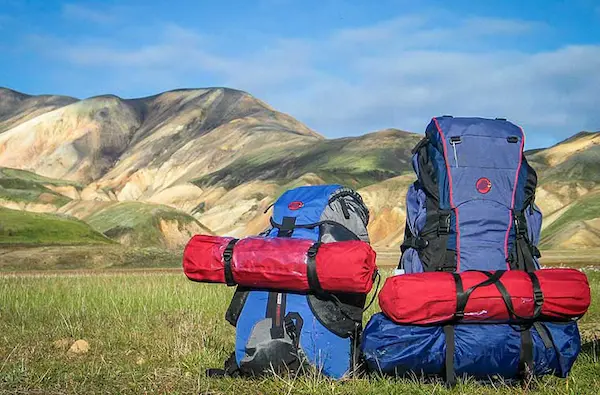
Your backpack is the core of your trekking setup. It carries everything you need for days of adventure and must be comfortable enough to wear for hours each day.
- Size: For multi-day hikes, a 50–70-liter pack is ideal, depending on whether you camp or stay in lodges.
- Fit: Choose a backpack with adjustable straps and a hip belt to distribute weight evenly across your hips and shoulders.
- Packing strategy:
Heavy items (food, cooking gear) should be centered near your back.
Frequently used items (rain jacket, snacks, map) should be easily accessible.
Sleeping gear and lighter items go at the bottom.
A properly packed backpack should feel balanced and reduce strain on your lower back and knees, particularly during steep climbs or descents.
Clothing layers and footwear
Multi-day treks often involve changing weather conditions. Layering allows you to adapt quickly while staying warm, dry, and comfortable.
- Base layer: Moisture-wicking fabrics to keep sweat away from your skin.
- Mid layer: Insulating fleece or down jacket for warmth in cooler climates.
- Outer layer: Waterproof and windproof shell to protect against rain, wind, or snow.
Footwear is equally important. Choose hiking boots with ankle support and soles designed for uneven terrain. Break them in weeks before your trek to avoid blisters and discomfort.
Camping equipment
If your trek involves camping rather than lodge stays, reliable gear is essential:
- Tent: Lightweight, weather-resistant, and easy to pitch.
- Sleeping bag: Temperature-rated for expected conditions, especially in high-altitude regions like the Peruvian Andes where nights can drop below freezing.
- Sleeping pad: Provides insulation and cushioning for better rest.
Navigation tools and lighting
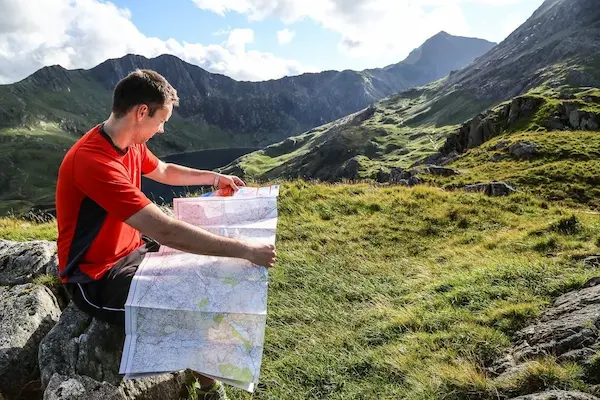
Even guided treks can benefit from basic navigation knowledge. Carry a detailed trail map, GPS device, or compass, and learn how to use them. A reliable headlamp with extra batteries is crucial for early starts, evening camp setups, or unexpected delays.
Additional essentials
- Trekking poles for balance and reduced joint strain.
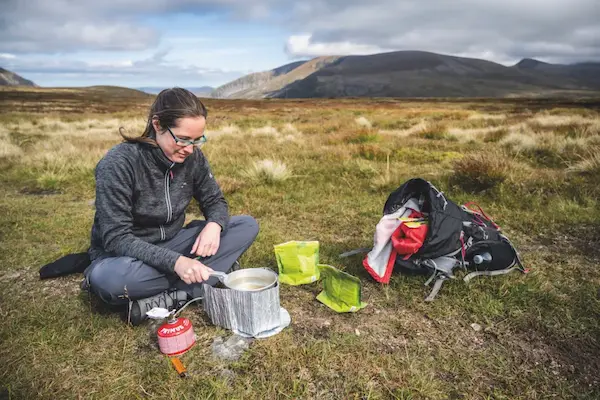
- Lightweight cooking gear if preparing meals on-site.
- Dry bags to protect clothing and electronics from rain.
- Personal hygiene items (biodegradable soap, small towel, toothbrush).
Nutrition and hydration strategies
Fueling your body properly is just as important as training and gear preparation. A multi-day trek requires sustained energy, which means selecting calorie-dense foods that are lightweight, easy to pack, and nutritious. Hydration is equally critical, particularly at high altitudes where dehydration can occur faster.
Caloric needs for Multi-Day treks
During long trekking days, the body can burn anywhere between 3,000–5,000 calories depending on terrain, altitude, and backpack weight. Without adequate fuel, fatigue, muscle cramps, and loss of focus can occur, increasing the risk of accidents.
Key components of a trekking diet:
- Carbohydrates: Primary energy source (oats, rice, pasta, quinoa).
- Proteins: Aid muscle repair and recovery (nuts, jerky, lentils, energy bars).
- Healthy fats: Provide sustained energy (trail mix, nut butter, seeds).
Sample Multi-Day trek meal plan
- Breakfast: Oats with powdered milk, dried fruit, and chia seeds.
- Lunch: Whole-grain tortillas with tuna, cheese, or peanut butter.
- Dinner: Dehydrated meals or rice with lentils and vegetables.
- Snacks: Energy bars, trail mix, and dark chocolate for quick bursts of energy.
Hydration essentials
High-altitude treks, like those in the Peruvian Andes, require careful hydration. At higher elevations, breathing rate increases, leading to greater water loss.
Tips for staying hydrated:
- Drink small amounts regularly instead of large quantities at once.
- Use water purification tablets, filters, or UV purifiers to ensure safety.
- Carry at least two liters of water per day, adjusting based on temperature and exertion.
Local foods for Treks in Peru
Peru offers nutrient-rich foods that are ideal for trekking diets:
- Quinoa and Kiwicha: High in protein and amino acids, excellent for sustained energy.
- Maca powder: Often used in smoothies or oatmeal to boost stamina.
- Coca tea: Traditionally consumed to help alleviate mild altitude discomfort.
You might be interested: Top things to do in Cusco: Your ultimate travel guide to the Inca Capital
Safety and survival tips
Multi-day treks bring not only breathtaking views and rewarding experiences but also potential risks. Whether hiking through the Peruvian Andes or remote mountain ranges elsewhere, preparation for emergencies is essential. Safety skills, navigation knowledge, and proper planning can significantly reduce risks and improve your overall trekking experience.
Navigation Skills
Even when trekking with guides, understanding basic navigation builds confidence and ensures safety in unexpected situations. Trails can become unclear due to weather conditions or terrain, making it essential to know your route.
Navigation essentials:
- Trail maps and guidebooks – Learn to read topographic maps to understand elevation, water sources, and camp areas.
- GPS devices and apps – Helpful in remote areas but should not replace traditional tools.
- Compass – A lightweight backup tool when technology fails.
Preparation tips:
- Study your trail before departure, marking key points such as campsites and water sources.
- Carry a printed copy of the route and emergency contacts.
- Practice basic navigation skills during training hikes.
First aid essentials
Injuries, altitude sickness, and fatigue are common risks on multi-day treks. A compact but comprehensive first aid kit can make a critical difference.
Key items:
- Bandages, blister pads, antiseptic wipes, and medical tape.
- Pain relievers, anti-inflammatory medication, and electrolytes.
- Medication for altitude sickness if trekking in high-altitude regions like Cusco, Peru.
Knowledge matters:
Take a basic wilderness first aid course if possible. Knowing how to treat blisters, sprains, and dehydration can prevent minor issues from becoming major setbacks.
Weather preparedness
Weather conditions in mountainous regions are unpredictable. Sudden rain, snowfall, or temperature drops can occur without warning.
Preparation strategies:
- Check weather forecasts but be prepared for changes
- Carry a waterproof jacket, insulating layers, and an emergency thermal blanket.
- Learn how to set up emergency shelter quickly in case of severe conditions.
Preparing for a trek in Peru
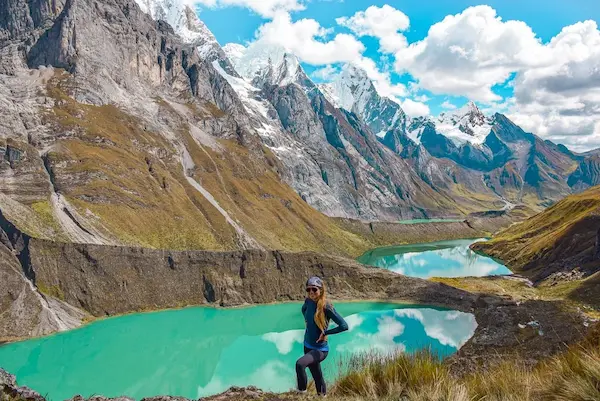
Peru stands among the world’s top trekking destinations, offering a blend of breathtaking landscapes, rich cultural heritage, and challenging trails. However, trekking in Peru requires unique preparation compared to other regions, from securing permits to understanding altitude and respecting local communities.
- Inca Trail to Machu Picchu – Perhaps the most famous trek in South America, the Inca Trail is a 4-day journey through ancient ruins and cloud forests, culminating at the Sun Gate overlooking Machu Picchu.
- Salkantay Trek – A high-altitude alternative to the Inca Trail, offering rugged landscapes and stunning views of snow-capped peaks.
- Choquequirao Trek – Known as the “sister city of Machu Picchu,” this remote trek requires more endurance but rewards hikers with fewer crowds and profound historical significance.
- Ausangate Trek – Ideal for experienced trekkers, this circuit passes colorful mountains, glacial lakes, and traditional Andean villages.
Permits and regulations
- Inca Trail Permits – These sell out months in advance, as daily numbers are strictly limited to preserve the trail.
- Local Guides – Some treks, like the Inca Trail, require traveling with authorized guides. Even where not mandatory, hiring a guide supports local economies and enhances safety.
- Environmental Regulations – Follow Leave No Trace principles. Carry out all waste, avoid disturbing wildlife, and respect archaeological sites.
Altitude considerations
Cusco, the starting point for most treks, sits at over 3,300 m (10,800 ft). Many trails climb much higher, with passes exceeding 4,000–5,000 m.
Tips for acclimatization:
- Spend two to three days in Cusco or the Sacred Valley before starting your trek.
- Stay hydrated and consider natural remedies like coca tea.
- Recognize early signs of altitude sickness (headache, dizziness, fatigue) and descend if symptoms worsen.
Cultural etiquette
Trekking through Peru often involves passing small villages and interacting with Andean communities. Respecting local customs and traditions is part of responsible travel.
- Ask permission before photographing people.
- Learn basic greetings in Spanish or Quechua.
- Support local artisans and small businesses by purchasing handmade goods.
How to prepare for a Multi-Day Trek
Preparing for a multi-day trek requires much more than physical readiness it is a combination of strategic planning, proper gear selection, nutrition, safety awareness, and cultural respect. Peru offers some of the world’s most rewarding trekking experiences, but its high-altitude routes and unique terrain demand extra attention to detail.
By following these guidelines training effectively, packing wisely, eating for endurance, and embracing local traditions you set the stage for an unforgettable journey. Whether you stand at the Sun Gate overlooking Machu Picchu or trek through remote valleys beneath towering peaks, the reward will be more than the destination itself. It will be the resilience, connection, and sense of wonder gained along the way.
