

Traveling through Peru is an immersive experience where history, culture, nature, and adventure intersect in ways few destinations can match. From the soaring peaks of the Andes to the lush depths of the Amazon rainforest, and from the arid deserts of the coast to the vibrant streets of cities like Lima and Arequipa, Peru presents a remarkable diversity of environments and experiences. Each region offers its own unique charm: ancient archaeological sites tell stories of civilizations that shaped the continent, colorful markets reveal the heartbeat of local communities, and breathtaking landscapes provide a backdrop for both relaxation and adventure.
Every journey benefits from careful preparation, as Peru’s diverse climates, terrain, and cultural nuances can directly influence comfort, safety, and enjoyment. Altitude, weather variations, transportation logistics, and regional customs all play a role in shaping a traveler’s experience. Understanding these factors in advance allows visitors to navigate each region with confidence and to fully appreciate the depth of what Peru has to offer.
These Peru travel tips provide comprehensive guidance for travelers seeking a meaningful and seamless experience. They cover practical considerations such as health, transportation, and accommodation, as well as cultural awareness and ethical engagement with local communities. Whether exploring bustling urban centers, trekking along ancient Inca trails, or venturing into remote Amazonian settlements, following these tips ensures that every moment is both safe and culturally enriching. By planning thoughtfully and approaching each experience with curiosity and respect, travelers can unlock the full spectrum of Peru’s natural beauty, historical richness, and vibrant cultural life.
Planning Your Trip to Peru
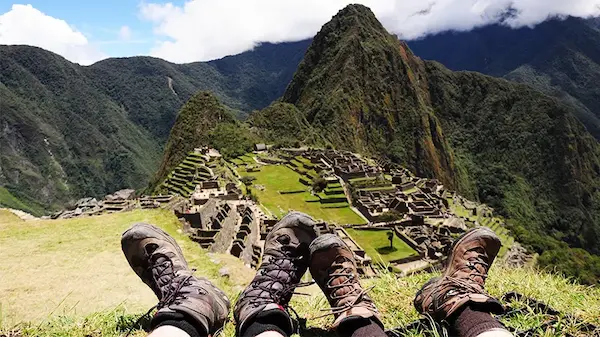
Preparation is the foundation of any successful trip, and this is especially true when traveling through a country as diverse as Peru. The nation spans deserts along the coast, towering mountains in the Andes, dense rainforests in the Amazon, and fertile highlands, each with its own climate, terrain, and lifestyle. This diversity creates both challenges and opportunities for travelers, from adjusting to high altitudes in Cusco or Puno, to navigating the heat and humidity of the rainforest, or experiencing the dry conditions of coastal deserts.
Understanding the regions before departure allows travelers to plan clothing, gear, and health precautions appropriately. Trekking in the Andes requires warm layers and sturdy footwear, while coastal areas benefit from sun protection and hydration. Visiting the Amazon calls for insect repellent and waterproof gear. These Peru travel tips also emphasize the importance of being aware of local customs, festivals, and culinary practices, as knowledge of these cultural differences enhances the experience and helps travelers connect meaningfully with the people and places they visit.
Best Time to Visit
Peru’s climate varies drastically depending on the region. The highlands, including Cusco and Machu Picchu, have a dry season from May to September, which is ideal for trekking and sightseeing. Rainy seasons from November to March can make trails slippery but often result in lush, green landscapes. The coast, including Lima, enjoys mild, dry winters and warm summers, making it suitable for exploring urban attractions and coastal towns. Tropical regions in the Amazon are humid year-round, so preparation for rain and insect protection is essential. Aligning your itinerary with regional weather patterns ensures comfort and maximizes opportunities to experience Peru’s diversity.
Selecting Destinations
While Machu Picchu, Cusco, and Arequipa are renowned destinations, Peru’s charm extends beyond these highlights. The northern region offers archaeological treasures such as Chan Chan and Trujillo’s adobe architecture, while the southern altiplano includes Lake Titicaca, known for its floating islands and indigenous communities. Coastal towns like Paracas and Huacachina provide desert landscapes, beaches, and unique wildlife encounters. Following Peru travel tips for destination selection ensures a balance between iconic sites and hidden gems, offering travelers both depth and variety.
Travel Documentation and Essentials
Travelers should ensure that all essential documents are in order before embarking on a trip to Peru. This includes having a valid passport, obtaining any necessary visas, and securing travel insurance that covers medical emergencies, trip interruptions, and high-altitude activities, which are particularly relevant for visits to the Andes. It is also advisable to keep both digital and physical copies of important documents, such as passports, insurance policies, flight confirmations, and emergency contacts, to avoid complications in case of loss or theft.
These Peru travel tips emphasize that careful management of documentation not only provides security but also reduces stress throughout the journey. When travelers are confident that their paperwork is organized and accessible, they can focus fully on exploring the country, immersing themselves in its culture, landscapes, and experiences. Proper preparation in this area allows for smoother transitions between destinations, fewer logistical concerns, and greater peace of mind, making the trip more enjoyable and memorable.
Health and Wellness Tips in Peru
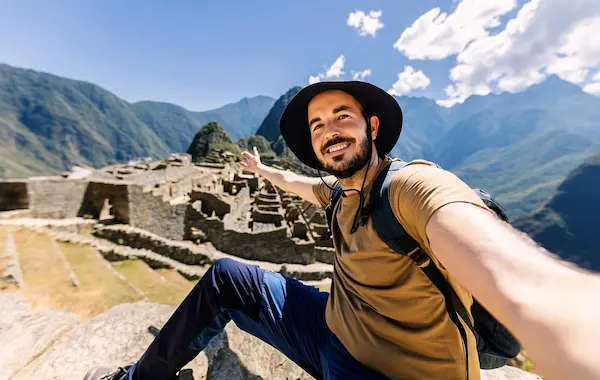
Maintaining personal well-being is essential for a successful trip, particularly in a country as geographically diverse as Peru. Travelers encounter high-altitude regions in the Andes, humid and hot conditions in the Amazon rainforest, and arid, sun-drenched landscapes along the coast, each presenting unique physical challenges. In addition, varying hygiene standards in rural and urban areas can influence health and comfort. Paying attention to diet, hydration, rest, and preventive measures helps ensure that the journey remains enjoyable and safe.
These Peru travel tips emphasize that proactive care such as gradual acclimatization to altitude, using appropriate sun protection, and maintaining basic hygiene can prevent common discomforts and health issues. By prioritizing personal well-being, travelers can fully engage with the country’s rich cultural heritage, stunning landscapes, and vibrant communities without unnecessary interruptions, turning each experience into a meaningful and memorable part of their journey.
Dealing with Altitude
High-altitude locations like Cusco or Puno can cause altitude sickness. Gradual acclimatization, light activity on the first days, and hydration help the body adjust. Local remedies, such as coca tea, are popular and culturally significant, although travelers should consult health guidance before use. Being aware of symptoms like headaches, nausea, or shortness of breath allows timely adjustments to activities.
Vaccinations and Medical Advice
Vaccinations against common illnesses, such as hepatitis A and B, typhoid, and routine immunizations, are recommended. Travelers to jungle regions may require yellow fever vaccines. Carrying a basic medical kit with pain relievers, bandages, and altitude medication supports preparedness. These Peru travel tips emphasize prevention and proactive health measures.
Food and Water Safety
Peru’s gastronomy is rich and diverse, but travelers should ensure safe consumption. Eating freshly cooked meals, avoiding raw street food unless hygienically prepared, and drinking bottled or filtered water reduces the risk of gastrointestinal issues. Respecting local food customs enhances the cultural experience while maintaining safety.
Safety and Security Tips
Peru is generally a safe country for travelers, but taking informed precautions can greatly enhance personal security and peace of mind throughout the trip. Like any destination, certain areas may present higher risks, particularly in crowded urban centers or popular tourist spots where petty theft or scams can occur. Staying aware of one’s surroundings, securing personal belongings, and using reliable transportation options are simple yet effective strategies for minimizing potential issues.
These Peru travel tips highlight that safety is largely about preparation and mindfulness. By understanding local norms, avoiding risky situations, and remaining alert in unfamiliar environments, travelers can enjoy all that Peru has to offer without unnecessary stress. Emphasizing common-sense precautions allows visitors to focus on exploring vibrant cities, remote highlands, and natural landscapes with confidence, making the journey both enjoyable and worry-free.
Personal Safety
Urban areas may experience petty theft, especially in crowded markets or tourist spots. Carrying minimal valuables, using secure bags, and remaining aware of surroundings prevents potential issues. These Peru travel tips encourage proactive mindfulness rather than restriction of movement.
Transportation Awareness
Traveling between cities or regions involves buses, taxis, trains, and domestic flights. Choosing reputable services, verifying schedules, and understanding local transportation norms contributes to a smooth journey. Night travel in remote areas may require additional caution due to road conditions.
Responsible Travel
Respecting communities, avoiding exploitation, and following local regulations are key aspects of safety. Engaging with local guides or cultural organizations provides both protection and insight, aligning with ethical tourism principles.
You might be interested: October in Peru: A Month of Faith, Color, and Tradition
Cultural Engagement
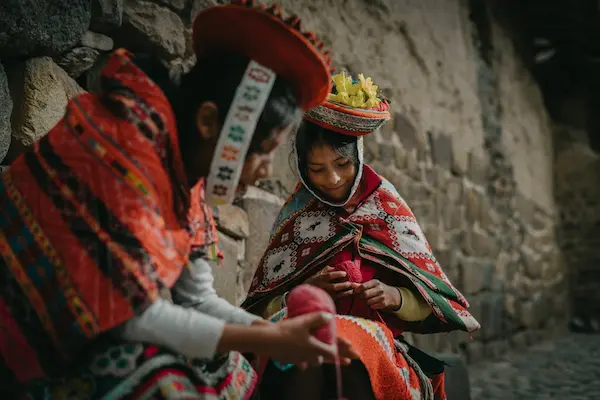
Peru’s rich cultural heritage is visible in language, festivals, music, art, and daily life. Awareness and sensitivity enable meaningful interactions.
Language and Communication
Spanish is widely spoken, and indigenous languages like Quechua and Aymara remain prevalent in highland regions. Learning basic phrases such as greetings, expressions of gratitude, and polite requests enhances communication and demonstrates respect. These Peru travel tips stress that even minimal language effort fosters positive experiences and connections.
Festivals and Traditions
Peru hosts numerous vibrant festivals. Inti Raymi in Cusco celebrates the Inca sun god, while the Señor de los Milagros procession in Lima reflects deep religious devotion. Observing local protocols, dressing appropriately, and participating respectfully enrich cultural understanding. These Peru travel tips suggest planning visits around festivals to witness authentic traditions.
Culinary Culture
Peruvian cuisine varies regionally, from ceviche on the coast to hearty Andean stews. Trying local ingredients and dishes is part of the experience, but awareness of preparation methods, hygiene, and dietary adjustments ensures comfort. Exploring traditional markets or learning about local agricultural practices provides additional cultural context.
Transportation and Mobility
Efficient movement enhances exploration, especially given Peru’s diverse geography.
Domestic Travel Options
Air travel connects major cities efficiently, while buses provide economical and scenic alternatives. Trains, especially in the Sacred Valley and to Machu Picchu, offer cultural immersion and landscape views. Being aware of travel times, ticket availability, and seasonal variations supports smooth transitions.
Local Transportation
Urban mobility includes taxis, ride-hailing apps, buses, and walking. Understanding local traffic patterns, safety standards, and fare expectations aids navigation. High-altitude or rural areas may require specialized vehicles or guided transportation. These Peru travel tips highlight adaptability and preparation.
Packing for Peru
Thoughtful packing ensures comfort, safety, and adaptability.
Clothing Essentials
Layered clothing suits varied climates, from coastal heat to mountain chills. Waterproof jackets, durable footwear, sun protection, and versatile attire support day-to-day activities. Accessories like hats, scarves, and reusable water bottles enhance comfort.
Gear for Activities
Trekking, river excursions, or cultural workshops require appropriate equipment. Comfortable backpacks, water-resistant bags, and portable chargers are practical. Following Peru travel tips for packing reduces logistical stress and ensures preparedness for unexpected situations.
Hidden Gems and Local Experiences
Exploring beyond mainstream destinations enriches understanding and provides unique perspectives.
Traditional Villages
Visiting Andean villages allows observation of traditional crafts, agriculture, and communal life. Engaging with local artisans and learning about cultural heritage supports preservation and appreciation.
Ecotourism and Nature
Peru’s ecosystems include deserts, mountains, cloud forests, and the Amazon basin. Sustainable exploration of natural areas, following designated paths and minimizing waste, protects biodiversity. These Peru travel tips promote responsible engagement with natural environments.
Markets and Crafts
Local markets offer insights into everyday life and artisanal production. Observing interactions, learning about materials, and appreciating craftsmanship deepens cultural understanding. Integrating these experiences into travel plans enhances the richness of the journey.
You might be interested: Ancient Traditions of Peru: Rituals, Festivals and Legacy
Environmental and Ethical Considerations
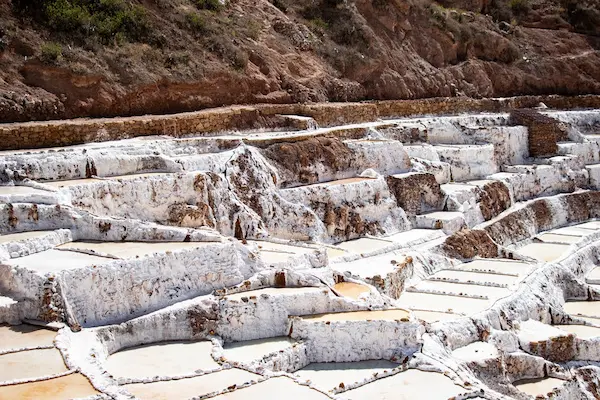
Responsible travel contributes positively to both local communities and the natural environment. By being mindful of cultural traditions, supporting local businesses, and minimizing environmental impact, travelers help preserve the places they visit. Simple actions such as reducing waste, following established trails, and choosing eco-conscious options can make a significant difference.
These Peru travel tips highlight that thoughtful travel benefits everyone involved: visitors enjoy richer experiences, communities gain sustainable support, and ecosystems remain protected. Approaching travel with awareness ensures that Peru’s cultural heritage and natural beauty can be appreciated for generations to come.
Minimizing Environmental Impact
Avoiding single-use plastics, respecting wildlife, and using eco-friendly accommodations supports conservation. These practices align with Peru travel tips emphasizing sustainable behavior.
Supporting Local Economies
Purchasing crafts, using local services, and participating in community programs strengthens local economies without creating dependency. Ethical engagement ensures that travel benefits both visitor and host communities.
Conclusion
Adhering to these Peru travel tips ensures a journey that is safe, comfortable, and culturally enriching. By planning thoughtfully, respecting local customs, staying healthy, and exploring both popular and hidden destinations, travelers can experience the full spectrum of Peru’s landscapes, heritage, and traditions. These guidelines foster confidence, awareness, and appreciation, making each journey memorable and rewarding.
